Get Full Government Meeting Transcripts, Videos, & Alerts Forever!
Get email alerts on the Transportation Planning topic
No spam. Unsubscribe anytime.
Committee reviews House Bill 2025: new vehicle taxes, ODOT oversight changes and EV road‑use charge phase‑in
Summary
The Joint Committee on Transportation held an informational meeting June 9 to review House Bill 2025, a comprehensive package that would change how Oregon taxes fuel and vehicles, expand oversight and accountability for the Oregon Department of Transportation, create a purchaser transfer tax and phase in mandatory participation in the state's road‑usage charge.
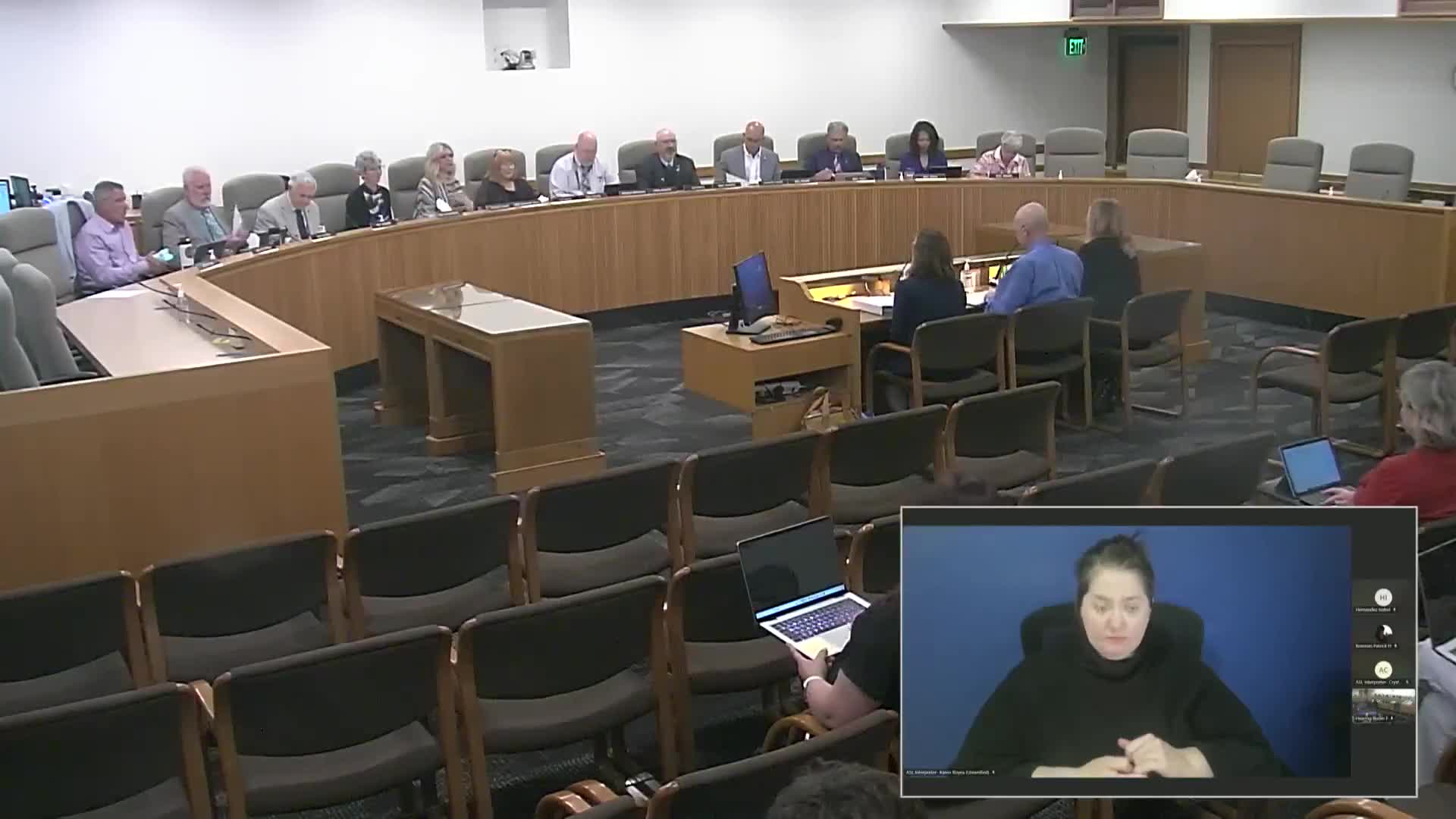
Good evening. Calling the joint committee on transportation reinvestment to order. Today is Monday, June 9 at 05:10 in the afternoon. Tonight, we will be having an informational, meeting, and, we'll be getting information on house bill 20 25. So if we could have, Heidi Elliot, Allen Dale, and Catherine Jones come on up, we'll begin.
The Joint Committee on Transportation held an informational meeting June 9 to review House Bill 2025, a comprehensive package that would change how Oregon taxes fuel and vehicles, expand oversight and accountability for the Oregon Department of Transportation (ODOT), create a new transfer tax on vehicle purchases and phase in mandatory participation in the state's road‑usage charge for electric vehicles. Committee members heard legal and technical explanations from legislative counsel and staff and asked for revenue projections and clarifications to be provided before public hearings.
Why it matters: the bill would alter multiple long‑standing revenue streams for the State Highway Fund, direct $125 million annually to a set of prioritized “anchor” projects beginning in 2026, create new recurring revenue for cities and counties, and change how electric and other non‑gasoline vehicles contribute to road funding. Committee members repeatedly requested LRO and agency revenue estimates to show how the changes affect maintenance, preservation and project delivery.
Accountability and oversight Heidi Elliot, Senior Deputy with the Office of Legislative Counsel, said the bill starts with accountability provisions in sections 1 through 1f. “In those provisions, you will see that the Secretary of State is being directed to conduct a performance audit of the Department of Transportation at least once a biennium with regards to the use of the monies in the State Highway Fund,” she said, adding there is also an annual audit of capital projects. The draft also expands the Joint Committee on Transportation’s oversight and adds the Oregon Department of Aviation to the committee’s purview. The bill formalizes membership of the Continuous Improvement Advisory Committee to narrow membership toward individuals with expertise in planning and delivering major projects.
Diesel taxation and dyed diesel enforcement Alan Dale, Senior Deputy Legislative Counsel, walked through tax‑point changes for diesel. “Currently, diesel is taxed at the pump, whereas gasoline is taxed at the rack,” he said, explaining the bill would shift diesel to be taxed at the rack and add enforcement provisions that would prohibit unauthorized use of dyed diesel. Catherine Jones (staff) explained the enforcement intent: “Dye diesel is taxed. It is dyed red and is taxed. It is not taxed either federal or state. And if they use that in a manner taxable on Oregon roads, right now we don't really have any mechanisms to, penalize them for that use. Most States do.” Committee members asked whether there is confirmed evasion; Jones said committee staff “highly suspect” dyed diesel is being used on roads in a non‑taxed way.
Fuel, registration and title fee changes; indexing Committee counsel outlined the bill’s scheduled fuel tax increases and indexing mechanism. The draft raises the motor vehicle fuel tax in stages (examples cited in the briefing: 40¢ to 50¢, then to 55¢; later indexing is tied to CPI with a cap so annual increases cannot exceed 3 percent). Members asked for LRO to provide worked examples showing near‑term and long‑term impacts on consumer prices. The bill also increases DMV registration and title fees (draft figures cited included passenger vehicle registration rising to $113 per year and certain title fees increasing to $182) and phases in weight‑mile and road assessment fees beginning July 2028 with rolling increases through the later statutory dates in the draft.
New transfer tax on vehicle use in Oregon Sections 81–109 introduce a transfer tax imposed on purchasers for vehicles used in Oregon weighing less than 10,000 pounds and with a sales price of at least $10,000. Under the draft, new vehicles would face a 2 percent transfer tax and used vehicles a 1 percent transfer tax; the bill includes an accompanying use tax for out‑of‑state sales. Committee counsel explained that because the draft frames the levy as a tax “on the use of motor vehicles in Oregon,” those revenues are intended to be highway‑restricted under constitutional language cited in the briefing (Article 9, Section 3a) and would flow to the State Highway Fund. Members pressed whether courts might treat the transfer tax like the previously litigated privilege tax; counsel said the two taxes are imposed on different activities (dealer privilege versus purchaser use), and both are consumption taxes measured by sales price but placed on different taxpayers.
Distribution and anchor projects The draft directs $125 million a year beginning in 2026 to a short list of anchor projects and priorities (interstate and major bridge projects and seismic retrofits were cited). The projects identified in the briefing as initial anchor priorities included I‑5 Rose Quarter, the Abernathy Bridge project, the I‑205 widening project, the Newberg‑Dundee bypass, and the State Highway 22/Center Street bridge project (Salem). Elliot and counsel described a staged distribution: while $125 million will be directed to those named projects initially, after they are completed the same dollar amount would be reallocated to formula distributions (percentages cited in the briefing included roughly 50 percent to the state, ~28.63 percent to counties, a smaller share to “small counties,” and 20 percent to cities). Committee members asked how much of the new revenue will be dedicated to maintenance and preservation versus large capital projects and requested LRO and ODOT provide multi‑year revenue and expenditure charts.
Road usage charge (OReGo) changes and EV phase‑in Sections 123–153 amend the voluntary road usage charge program (often called OReGo) and phase in mandatory participation for certain vehicle types: existing all‑electric vehicles first, then new all‑electric vehicles, then plug‑in hybrids and electric delivery vehicles in later years. The draft sets the per‑mile charge for most passenger EVs at 5 percent of the fuel tax per mile (with electric delivery vehicles at 10 percent of the fuel tax per mile) and allows passenger vehicles to opt instead for a flat annual fee (the draft cited $340 as the flat fee). Committee members sought clarity on definitions (for example, how hybrids and plug‑in hybrids are identified in statute) and whether delivery vehicles are eligible for the flat fee; staff confirmed the flat fee applies to passenger vehicles and that electric delivery vehicles are excluded from that flat‑fee option in the draft.
Great Streets advisory, jurisdictional transfers and lane width The Jurisdictional Transfer Advisory Committee (created by the Legislature in 2023) would be continued, renamed the Great Streets Advisory Committee and given an expanded role to advise on jurisdictional transfers, select grant projects and recommend investments that reduce vehicle miles traveled, greenhouse gas emissions, and improve multimodal mobility. The bill also contains a direction to the Oregon Transportation Commission to prohibit reducing a freight route motor‑vehicle lane to less than 12 feet.
Questions, next steps and public hearings Committee members repeatedly asked for LRO and ODOT revenue tables and worked examples. Several members said they would not be comfortable moving forward with public testimony until the legislative revenue office and agencies supplied hard dollar projections; counsel said LRO estimates and a section‑by‑section summary were expected to be available before the committee’s next public hearings. The committee scheduled public hearings focused on anchor projects and ODOT accountability.