Get Full Government Meeting Transcripts, Videos, & Alerts Forever!
Get email alerts on the Special Education Disproportionality topic
No spam. Unsubscribe anytime.
Special-education disproportionality: Waunakee staff report disproportionate referral rates for Black students, small numbers magnify shifts
Summary
District staff presented data showing Black students in Waunakee were referred to special education at higher rates than white students, with 76% of those referred identified in-district and averages of six years in district; administrators said DPI will monitor and staff will adjust MTSS/referral processes.
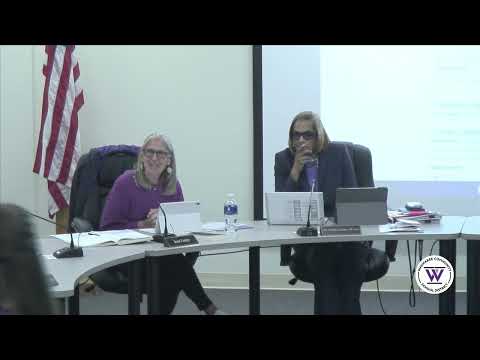
Tiffany Logan, Waunakee’s special-education director, presented a data overview on June 9 showing higher referral and qualification rates for Black students compared with white students — a difference that meets the state’s threshold for disproportionality.
Tiffany said the district’s total of 21 Black students in special education (the data set reviewed) produces a referral-rate percentage roughly double that of white students in the district. She reported that 76% of those students were identified for special education while enrolled in Waunakee schools and that 62% had been with the district since 4K or kindergarten; on average those students had been in the district about six years.
Tiffany noted the primary disability categories for the group were specific learning disability (SLD) and other health impairment (OHI), each representing about 28% of the subgroup. She cautioned that small numbers magnify percentage changes — a single family moving in or out can materially change the district’s percentages — and confirmed that DPI (the Wisconsin Department of Public Instruction) reviews the district’s disproportionality plan and progress.
Board members asked about parent-initiated referrals; Tiffany said some referrals come from parents and that parental requests can influence counts in a small district. She described next steps: staff will dig into multi-tiered systems of support (MTSS) processes, interventions and systemic steps that precede referral to better understand and address drivers of disproportionality.
Tiffany said the district will continue reporting to DPI and adapting its disproportionality plan with updated interventions and monitoring.