Get Full Government Meeting Transcripts, Videos, & Alerts Forever!
Get email alerts on the School Meals topic
No spam. Unsubscribe anytime.
Cape Girardeau schools vote to continue CEP free-meal program
Summary
The Cape Girardeau Public Schools board voted in April to continue participation in the Community Eligibility Provision, keeping free breakfast and lunch available to all students for the next cycle.
Cape Girardeau Public Schools voted at its April board meeting to continue participation in the Community Eligibility Provision, keeping free hot breakfast and lunch available to all students.
The decision matters because continuing CEP ensures students across the district will have access to school meals without charge; district leaders said nutrition supports learning and attendance. Dr. Howard Binion, superintendent of Cape Girardeau Public Schools, described the action and the program’s cadence: “That’s our CEP program, and it comes up every four years. And so we voted last night to continue that CEP program, which just gives all of our students an opportunity to have a free hot breakfast and a hot lunch.”
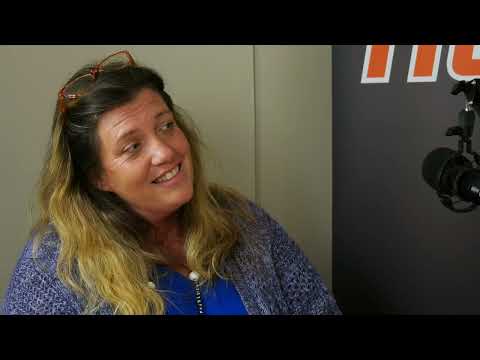
District communications director Kristen Tallent added that providing meals is important to student learning, saying, “if kids are fed well and they get the right nutritions, they learn.” The podcast noted the board’s vote occurred at the April meeting; the transcript did not record a motion text, mover, second or the vote tally.
Discussion: speakers framed the decision as a continuation of an existing program rather than a new policy, and they emphasized student nutrition and access. No implementation timeline, budget details or vendor changes were specified in the recording.
What’s next: the district will implement CEP under the usual administrative processes for the next four-year cycle. Specific fiscal impacts, USDA certification details or administrative motions were not provided in the transcript.