Get Full Government Meeting Transcripts, Videos, & Alerts Forever!
Get email alerts on the Housing Toolkit topic
No spam. Unsubscribe anytime.
Forward Pinellas approves housing regulatory toolkit to help cities expand affordable housing options
Summary
Forward Pinellas approved a housing regulatory toolkit that provides model code language, incentive menus and implementation guidance to help local governments encourage affordable housing; staff will begin outreach and recommend county-rule amendments next month.
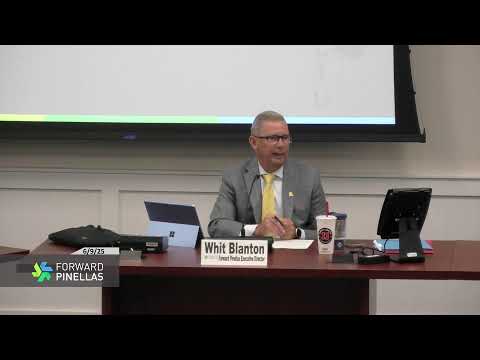
Forward Pinellas approved a housing regulatory toolkit at its June 9 meeting, a set of model policies and code language designed to help Pinellas County’s 25 local governments encourage more affordable and workforce housing.
The toolkit gives cities a menu of regulatory and financial incentives, model definitions and suggested code structures so jurisdictions can customize measures such as density bonuses, parking reductions and fee relief. The board also directed staff to begin outreach to local governments and to forward specific county-rule amendments needed to enable certain bonus provisions.
“About 3 years ago, we signed what is known as the Advantage Pinellas Housing Compact,” Linda Fisher said in presenting the toolkit. Fisher described the toolkit as the Housing Action Plan’s implementation tool, noting the compact and action plan set goals and actions to coordinate housing-affordability efforts across the county. Fisher summarized the research and vetting behind the toolkit: reviews of comprehensive plans and codes in all 25 local governments, developer interviews, technical workshops and input from a tactical team of local-government staff. She said the toolkit provides baseline and advanced code templates so municipalities can select the level of review and incentives appropriate to their size and staffing.
Fisher cited county-level housing context the toolkit addresses: consultants found demand for more than 3,300 new housing units annually in Pinellas County, about half of which need to be affordable or workforce housing; county production was about 2,700 units per year with most at higher market rates. The toolkit includes provisions aimed at preserving affordability, facilitating missing-middle housing, accessory dwelling units, senior housing and transit-oriented development.
Board members raised coastal concerns. Council member Brandy Gabbard asked about using incentives in coastal high-hazard areas and said Pinellas communities need a coordinated approach (including a potential shelter-mitigation fee at the county level) to make density incentives viable while managing hazard risk. Staff said the toolkit recommends excluding coastal high-hazard areas from some incentives by default and that additional county-level conversations will be necessary.
Forward Pinellas staff said next steps include outreach to city councils and commissions to present the toolkit, offering local-technical-assistance to implement code changes, and returning next month with county-rule amendments required to enable certain housing bonuses. The Planning Advisory Committee had recommended approval earlier in May.