Get Full Government Meeting Transcripts, Videos, & Alerts Forever!
Get email alerts on the Campus Antisemitism topic
No spam. Unsubscribe anytime.
Former ambassador urges nuance on campus antisemitism, warns against weaponizing concerns
Summary
Alan Solomont testified about the rise in antisemitic incidents, distinguished between legitimate criticism of Israel and Jew‑hatred, and recommended multi‑framework definitions and expanded civic education.
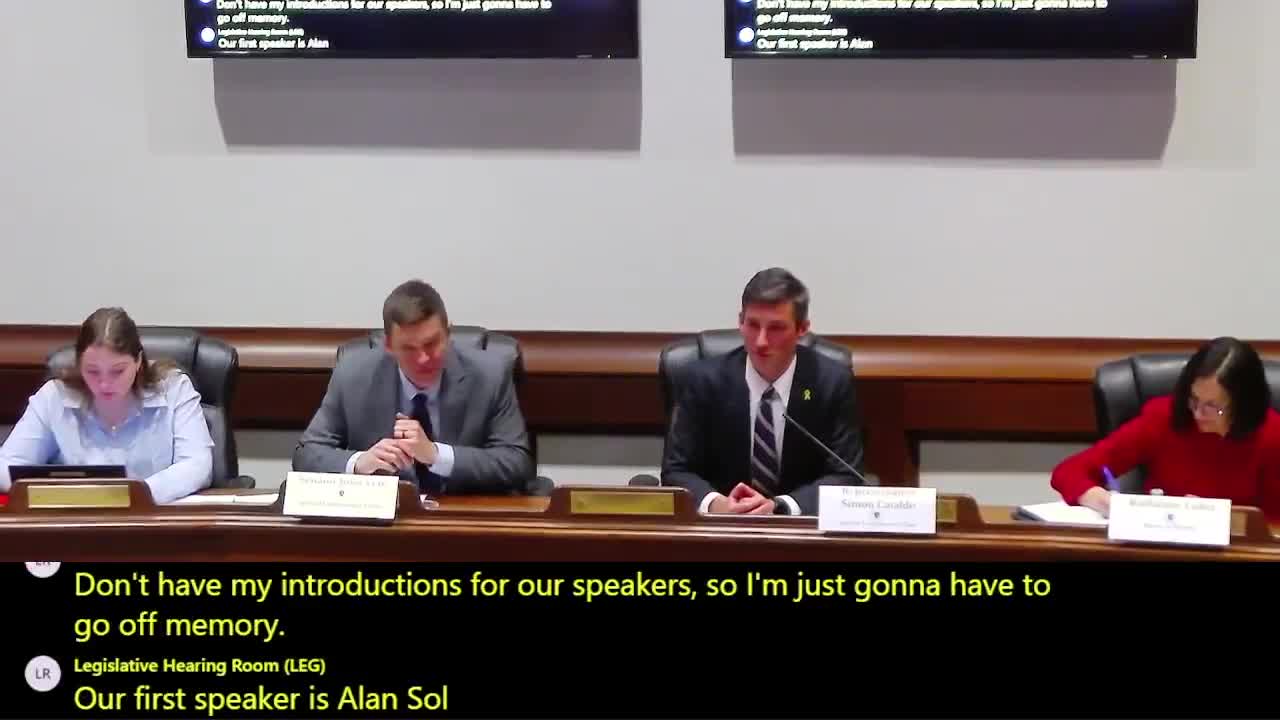
Alan Solomont, former U.S. ambassador to Spain and Andorra and Dean Emeritus at Tufts University Tisch College, told the Massachusetts Special Commission on Combating Antisemitism that antisemitism is on the rise nationally and on college campuses and that the commission should respond with careful, campus‑specific strategies rather than one‑size‑fits‑all rules.
"These attacks... were violent acts of violent antisemitism directed at Jews because they were Jews," Solomont said of recent violent episodes, urging commissioners to separate legitimate criticism of Israeli government policy from speech that is antisemitic because it blames Jewish people for the acts of a government.
Solomont said two overlapping phenomena drive the current climate: classical antisemitic conspiracy theories attached to white‑nationalist ideas, and a second strain that conflates opposition to Israeli government policy with hatred of Jews. He described Tufts’ own experience after Oct. 7: increased incidents but a mixed campus picture. Solomont said an ADL report initially gave Tufts an F that later improved to a C‑minus; he criticized singular reliance on any single definition of antisemitism, and recommended the commission consider multiple frameworks including the IHRA Working Definition, the Nexus Project materials, and the Jerusalem Declaration on Antisemitism. He also urged greater investment in civic education so students learn to “talk to one another across differences.”
Solomont cautioned against government responses that he said could be used for unrelated aims, citing testimony that an executive order directing federal attention to campus antisemitism had been used, he said, to broaden enforcement in ways that risked chilling academic programs. He urged the commission to explicitly oppose using antisemitism concerns to curtail unrelated university research or to bar foreign students.
Solomont recommended that the commission: (1) assess campus climates across the commonwealth rather than focusing only on highly visible institutions; (2) use multiple definitions as educational tools; and (3) strengthen civic education for pre‑college students so that incoming college students are better prepared for civil discourse.