Get Full Government Meeting Transcripts, Videos, & Alerts Forever!
Get email alerts on the Entomology Flies Maggot Therapy topic
No spam. Unsubscribe anytime.
Speaker highlights flies’ ecological roles and medical uses of maggots
Summary
In a Missoula Butterfly House lecture, Brenna Shea outlined flies’ roles as pollinators and decomposers, described forensic uses, and explained maggot debridement therapy and its antibiotic properties.
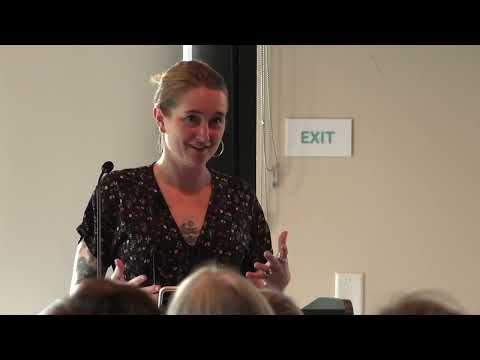
At a Missoula Butterfly House public lecture, former bug wrangler Brenna Shea framed flies as underappreciated but ecologically crucial insects, noting their roles in decomposition, pollination and as a food source for other animals.
Shea told the audience that flies are key pollinators in some ecosystems and offered a familiar example: “Without them though, we wouldn't have chocolate,” referring to cacao trees pollinated by tiny midges. She also described forensic uses of flies: investigators analyze species present on a body and the insects’ life stages to help estimate time of death.
Shea explained maggot debridement therapy (MDT) as a historical and modern medical application of fly larvae: “These maggots will consume necrotic flesh,” she said, and added that maggot secretions have demonstrated broad-spectrum antibacterial activity in research, including against Staphylococcus aureus. Shea noted the therapy uses specific fly species—commonly blow flies—whose larvae feed on dead tissue, and that treatment typically lasts a day or two while wounds are dressed to limit public exposure.
Why it matters: Shea said flies supply ecosystem services that support fisheries, migratory birds and pollination networks, and described how some flies dominate pollinator networks in the Arctic. She also noted cultural and conservation implications, urging recognition of flies’ roles beyond nuisance perception.
Audience members asked practical questions about how maggots avoid live tissue (Shea said species selected for MDT do not consume healthy tissue) and about detection methods for decomposers; Shea answered that species-level behavior varies and that chemistry and life-stage timing help investigators draw conclusions.
Shea encouraged attendees interested in applied research or community science to follow the Butterfly House’s projects and said the organization will circulate video links of tonight’s lecture for later viewing.