Get Full Government Meeting Transcripts, Videos, & Alerts Forever!
Get email alerts on the Legislative Session Roundup topic
No spam. Unsubscribe anytime.
Missoula legislators outline session wins: property tax relief, housing trust, childcare supports and healthcare changes
Summary
Montana legislators who served in the recent legislative session told a University of Montana town-hall audience they secured a negotiated property-tax package, established a housing trust, advanced childcare and provider-rate measures, and won reforms to health-insurance prior-authorization procedures.
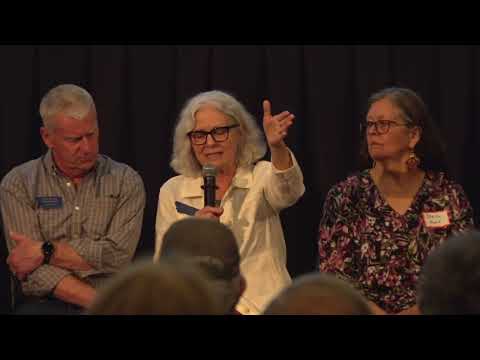
Missoula — Montana legislators who served in the recent legislative session told a large University of Montana town-hall audience that their main accomplishments included a compromise on property taxes, a new housing trust, measures aimed at helping childcare workers and providers, and health-insurance changes meant to reduce prior-authorization barriers.
Representative Mark Thane, who described negotiating a compromise in the final days of the session, said the package blends elements of competing bills and includes a progressive schedule and a homestead exemption. “On a median price home in Missoula, if everything were static, you would see about a $1,200 decrease in your property taxes,” Thane said.
The session also produced a permanent housing trust that supporters said creates ongoing funding for programs including veterans assistance and low- and middle-income homeowner loans. Senator Shane Morjot and others credited the trust with providing long-term financing for housing, childcare and other priorities.
Lawmakers described several health measures that passed. Representative Jonathan Carlin summarized a set of bills on prior authorization for prescriptions and other health services, saying the measures require denials to come from a same-specialty peer reviewer and extend authorization windows for chronic conditions so patients do not need repeated approvals within months. Carlin and others said those bills faced strong opposition from pharmacy benefit managers and insurers but were amended into a form lawmakers and stakeholders accepted.
Carlin and other legislators also said the Legislature approved increases to Medicaid provider reimbursement contained in the budget. The increase described by legislators is 3% per year (6% total) for the budget period; lawmakers said the budget, including the rate change, was adopted but still required the governor’s signature.
On childcare, lawmakers described House Bill 456 (HB456), which they said would make childcare workers eligible for the Best Beginnings scholarship program so workers with children could afford care for their own children while working. Carlin said the bill passed the Legislature and was headed to the governor’s desk.
Legislators said they passed a measure to require returning rental application fees to renters and put $50 million into a revolving loan within the newly established Growth and Opportunity trust (described in conversation as the “Go Trust”) to help finance housing infrastructure. Several speakers said those actions are intended to reduce housing costs over time and to address development and financing barriers.
Speakers warned of federal-level changes and court-related proposals they view as risks. Representative SJ Howell urged constituents to contact Montana’s congressional delegation about a federal budget reconciliation bill that she said includes major changes to Medicaid—such as work requirements and more frequent eligibility redeterminations—that could remove coverage for many people. Several legislators also said the state will remain watchful for attempts to change judicial selection or election procedures; Representative Katie Sullivan said the caucus had “killed the partisan judge bills” during the session.
Public-health and social-service topics came up: Representative Melody Cunningham and others urged vaccination and outreach after local measles reports and described a failed bill she sponsored that would have allowed cumulative, de-identified school health data to be shared with the Department of Public Health and Human Services for tracking (she said that bill did not pass). On homelessness, legislators described both a bill passed by the Legislature that allows local jurisdictions to levy fines for camping or being unhoused in some public places (limits discussed in the session include fines up to $500) and a separate, large investment in mental-health and crisis-care services that supporters said will expand community-based treatment and crisis response.
Tribal and Indigenous issues were described as a substantive area of work. Legislators said the Montana Indian Child Welfare Act-related changes and enhancements to the Missing and Murdered Indigenous Relatives effort were advanced, including moving from a task force to an advisory council and adding a homicide investigator position.
Several items discussed at the town hall remained contingent on the governor’s action or on implementation steps by state agencies. Legislators repeatedly urged attendees to monitor the interim committee process, contact the governor’s office about bills on the desk, and stay engaged locally.
“Our work is not over,” Representative Connie Keogh said. “Pay attention to the interim committees.”
Ending: The forum closed with appeals for continued civic engagement, including encouragement from a high-school Democratic leader for young people to get involved in political organizing and volunteer work.
(Notes: This account summarizes remarks made by legislators at a public town hall. All direct quotes are attributed to speakers who spoke at the event.)