Get Full Government Meeting Transcripts, Videos, & Alerts Forever!
Get email alerts on the Vape Packaging topic
No spam. Unsubscribe anytime.
House Rules committee hears bill to let Oregon Health Authority set vape-packaging rules to protect minors
Summary
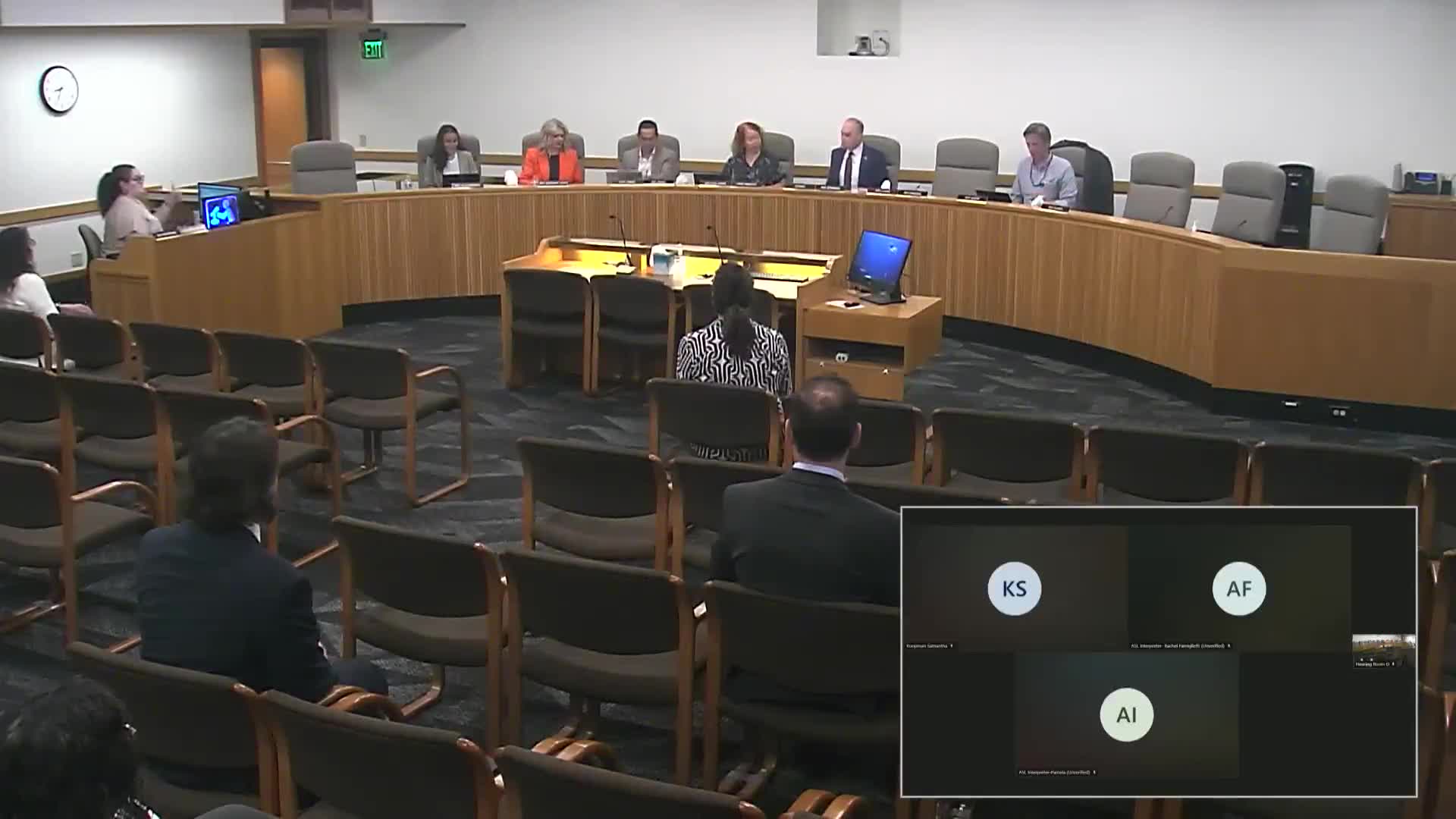
The House Committee on Rules held a public hearing June 9 on Senate Bill 1198, a measure that would direct the Oregon Health Authority to adopt rules restricting packaging of inhalant delivery systems (vape products) with the specific purpose of protecting minors from negative health effects.
The House Committee on Rules held a public hearing June 9 on Senate Bill 1198, a measure that would direct the Oregon Health Authority to adopt rules restricting packaging of inhalant delivery systems (vape products) with the specific purpose of protecting minors from negative health effects.
Sen. Kathleen Taylor, sponsor of the measure, told the committee the bill is meant to preserve existing packaging limits after a court ruling. “Back in 2015, when I first joined the legislature, there were no restrictions on vaping… A 5‑year‑old could go down to the store and buy a vaping product, because it was a new item on the market,” Taylor said, describing earlier efforts including House Bill 2546 to limit packaging that appeals to youth. She said the Oregon Court of Appeals later found the prior statutory packaging restriction unconstitutional and SB 1198 was drafted to give OHA rulemaking authority that conforms with Oregon’s free‑speech jurisprudence while maintaining protections for youth.
Victor Reuther, Deputy Legislative Counsel, explained the legal background the committee considered. Reuther said the Oregon Court of Appeals decision in Bates v. Oregon Health Authority struck down the prior statutory packaging language as facially unconstitutional under Article I, Section 8 of the Oregon Constitution because the statute used expressive descriptors such as “attractive to minors.” He said SB 1198 was drafted to avoid being classified as a content‑based restriction and instead to create a speech‑neutral, purpose‑linked delegation: “OHA has appealed the Bates decision to the Oregon Supreme Court and thus some uncertainty exists about whether the decision will be upheld,” Reuther told the committee, and added that if enacted OHA would be required to adopt rules tailored to withstand further judicial review.
Jessica Adamson, representing the Campaign for Tobacco‑Free Kids, a national nonprofit, urged passage and emphasized youth health risks: “We are a national nonprofit advocacy organization that is proud to stand up and lend our voice in favor of legislation like Senate Bill 1198 designed to prevent kids from beginning a lifelong addiction to tobacco,” Adamson said, citing flavors and packaging as drivers of youth use.
Committee members questioned how the agency would perform the legal analysis required to craft narrowly tailored rules. Vice Chair Draesen asked, “Who is it that’s going to do this analysis?” Reuther said OHA would likely perform the initial review and consult the Oregon Department of Justice on legal issues; he warned that any rules OHA adopts could themselves be subject to litigation and separate constitutional analysis.
Draesen also voiced broader objections about priority and emphasis, arguing that while members opposed youth nicotine addiction, the state faces other drug‑use and overdose challenges and that the legislature’s focus on packaging language felt out of scale with those problems.
No committee vote was taken on SB 1198 during the hearing. The committee closed the public hearing after testimony and moved on to work sessions on other bills. If enacted, SB 1198 would require OHA to adopt implementing rules; those rules would then be subject to administrative rulemaking procedures and potential judicial review.
Ending: The committee took no formal action on SB 1198 at the June 9 hearing. The bill's future depends on subsequent committee scheduling and any litigation outcomes from the appeal of Bates v. Oregon Health Authority.