Get Full Government Meeting Transcripts, Videos, & Alerts Forever!
Get email alerts on the Juvenile Justice topic
No spam. Unsubscribe anytime.
Committee advances juvenile record expunction bill after split views on automatic expungement
Summary
Lawmakers debated automatic versus request‑driven expunction before reporting House Bill 2677 out of the public safety subcommittee with funding and a technical amendment; some members pledged continued scrutiny on implementation and fiscal impacts.
The public safety subcommittee advanced House Bill 2677, a measure directing county juvenile departments to apply for expunction of certain juvenile records and establishing related criteria and procedures, after discussion about automatic expungement, public safety and fiscal impacts.
The measure directs a county juvenile department to file an expunction application within 90 days of an individual turning 18 when four years have elapsed since the most recent termination, or on receiving a request from an adult; it adds certain offenses that would be required for filing and specifies circumstances in which juvenile court must grant an expunction without a hearing. The measure also identifies cases in which an application may not be filed. An amendment adds a $199,979 total funds package — $194,019 general fund, $5,960 federal fund — and one position for the Oregon Youth Authority to support counties and process expunction activities.
Senator Broadman presented the bill. Representative Evans said he would cast a courtesy yes to get the measure to the floor but voiced concerns about automatic expungement without a request; he prefers an initiated process so individuals know what they are receiving. Representative Drazen said he would vote no, citing fiscal impacts and community safety concerns including anecdotes where expunged records had contributed to later harm.
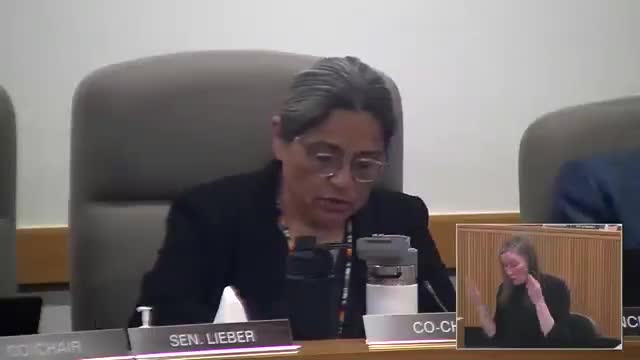
Representative Greg Smith supported the bill in committee, noting family and practitioner experience showing that helping youth access benefits and avoiding collateral consequences reduces recidivism. Former prosecutors and current legislators discussed the distinction between juvenile adjudications and adult convictions; Senator Lieber — a former prosecutor — advocated for the measure as consistent with juvenile court goals and the policy intent to give youth second chances.
The public safety subcommittee recommended HB 2677 be amended by the dash‑8a8 amendment and be reported out due pass as amended. The motion passed in the work session. The committee record separates expressed policy reservations from the formal decision to advance the bill and includes the appropriation for implementation support.
Discussion versus decision: committee debate centered on policy tradeoffs between public safety and the rehabilitative goals of juvenile court; formal action created an implementation appropriation and advanced the bill to the next stage.