Get Full Government Meeting Transcripts, Videos, & Alerts Forever!
Get email alerts on the Fish And Wildlife Budget topic
No spam. Unsubscribe anytime.
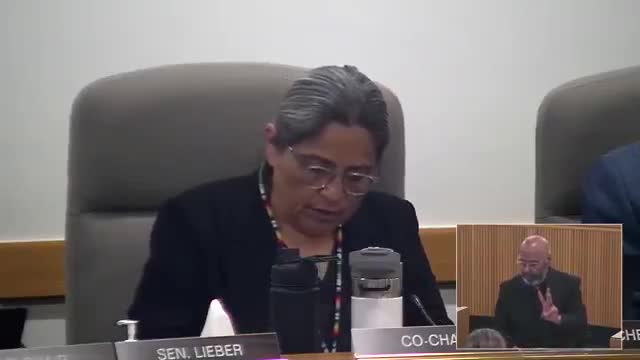
Ways and Means advances Fish and Wildlife budget amid heated debate over hatcheries and fees
Summary
Lawmakers debated hatchery policy, drawdowns and fee increases as the natural resources subcommittee recommended House Bill 5009 — the Oregon Department of Fish and Wildlife budget — be reported out with amendments.
The Joint Committee on Ways and Means’ natural resources subcommittee advanced House Bill 5009, the budget bill for the Oregon Department of Fish and Wildlife, after extended debate over hatchery programming, dam drawdowns and proposed fee increases for hunting and fishing licenses.
The subcommittee recommended a budget totaling approximately $582.2 million and about 1,347 positions, including roughly $76.9 million general fund, $10 million lottery funds, $28.6 million other funds and $209.5 million federal funds. The recommendation included investments to support fish screening efforts in the Klamath Basin, fish and wildlife passage projects, monitoring and mitigation for harmful algal blooms and aquatic invasive species, chronic wasting disease surveillance, and the private forest accord grant program. The agency also proposed fee increases to stabilize revenue after recent shortfalls; the subcommittee included an $8.6 million other‑funds reduction because of a revenue shortfall in fee revenue.
Representative Owens, who presented the bill, noted the agency’s reorganization and recent budget improvements while acknowledging it remains under severe fiscal pressure compared with a decade ago. Several legislators expressed concerns about specific policies and priorities. Representative Evans raised worries about hatchery programming and the agency’s obligations under the Pacific Salmon Treaty, stressing the need for monitoring and coordination as hatchery use shifts. “We simply cannot restore the fish on native species alone. We have to have a vibrant hatchery program,” Evans said.
Representative Kate said she would vote no because of two contested policy choices at the agency, particularly citing “deep drawdowns” at dams that she said led to killing a million kokanee stocked in reservoirs. Senator Gerard and others emphasized that hatchery maintenance and related infrastructure need longer‑term investment and suggested reconsidering how the agency’s responsibilities are funded.
The Natural Resources Subcommittee recommended HB 5009 be amended by the dash‑1 amendment and reported out due pass as amended. The motion passed in the work session; members recorded both yes and no positions in discussion but the subcommittee advanced the budget with the attached amendment.
Discussion versus decision: committee debate focused on policy choices — hatchery operations, fish passage and fee structure — while the formal decision was to advance the budget with a dash‑1 amendment. No statutory changes to hatchery law were adopted in the work session record beyond the budget endorsement, which assumes passage of fee and related measures.
Next steps: HB 5009 will move forward with the dash‑1 amendment and related fee legislation will be considered in separate bills that the department and the legislature have filed.