Preliminary FY 2025–26 budget shows $3 million shortfall; board faces millage or one-time fund choices
Loading...
Summary
District finance staff presented a preliminary general fund budget showing a $3 million deficit after cuts and revenue projections. Staff offered options including a possible millage increase or use of one-time funds and said additional state budget actions may change figures.
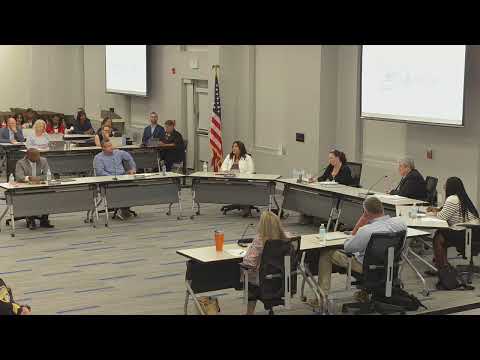
District finance staff presented a preliminary general fund budget for fiscal year 2025–26 on May 28 that shows a projected $3 million shortfall after planned reductions.
Key figures presented by the district budget team include a preliminary revenue estimate of $229,578,857 and a preliminary expenditure budget of $232,608,265, leaving a gap of approximately $3,029,408. Staff told the board the fiscal presentation does not include a planned transfer from nonrestricted capital funds that was used in the prior year to balance the budget.
Why it matters: The general fund is the district's main operating fund; a persistent deficit would require either recurring revenue increases (for example, by increasing operating millage where allowed by state law) or additional one-time funds to balance the budget.
What staff reported: The district's preliminary budget assumes no millage increase. Staff noted state changes that affect the budget, including an increase in state per-pupil aid and a new teacher salary-band structure under recent legislation; staff said they were awaiting additional guidance from the State Department of Education. Attendance-based enrollment has declined; the presentation showed an average daily membership of roughly 15,046, down about 250 students from the prior year and roughly a 10% decline since FY 2018–19.
Planned reductions and pressures: Staff listed reductions that include program changes (virtual, day treatment and mental health adjustments), staffing reductions through retirements and reorganizations, and a 15% departmental reduction target after an initial 5% reduction in the current year. The budget also reflects rising insurance and health-premium costs and estimates of reduced federal grant funding.
Board choices: Staff presented two primary options to close the gap: (1) increase operating millage (within the legal limits set by state law; staff estimated up to 7.2 mills available under the CPI/population CPI formula and a 3-year recapture could provide up to 9.3 mills, figures that staff estimated would generate roughly $3.1 million and $4.1 million respectively at preliminary assessed values); or (2) use one-time funds to cover the deficit. Staff said the board could also revisit cost-of-living adjustments for employee groups, but noted that the district's average teacher salary remains above the state minimum scale and that bus-driver increases required by state law apply to the state portion of pay.
Next steps: Staff said updated figures may arrive after the General Assembly completes action on the state budget and that a public hearing on the proposed budget is scheduled for June 24; the board will consider adoption that night. Trustees asked staff to run scenarios on support-staff and other compensation choices and to return with updated numbers on June 10.