Get Full Government Meeting Transcripts, Videos, & Alerts Forever!
Get email alerts on the Judicial Redistricting topic
No spam. Unsubscribe anytime.
Senate committee approves redistricting plan for 19th JDC in East Baton Rouge
Summary
Lawmakers advanced HB 124 to redraw judicial subdistricts in East Baton Rouge Parish, moving the 19th Judicial District Court from three malapportioned subdistricts toward a 7-7-1 configuration to address population shifts and racial balance concerns.
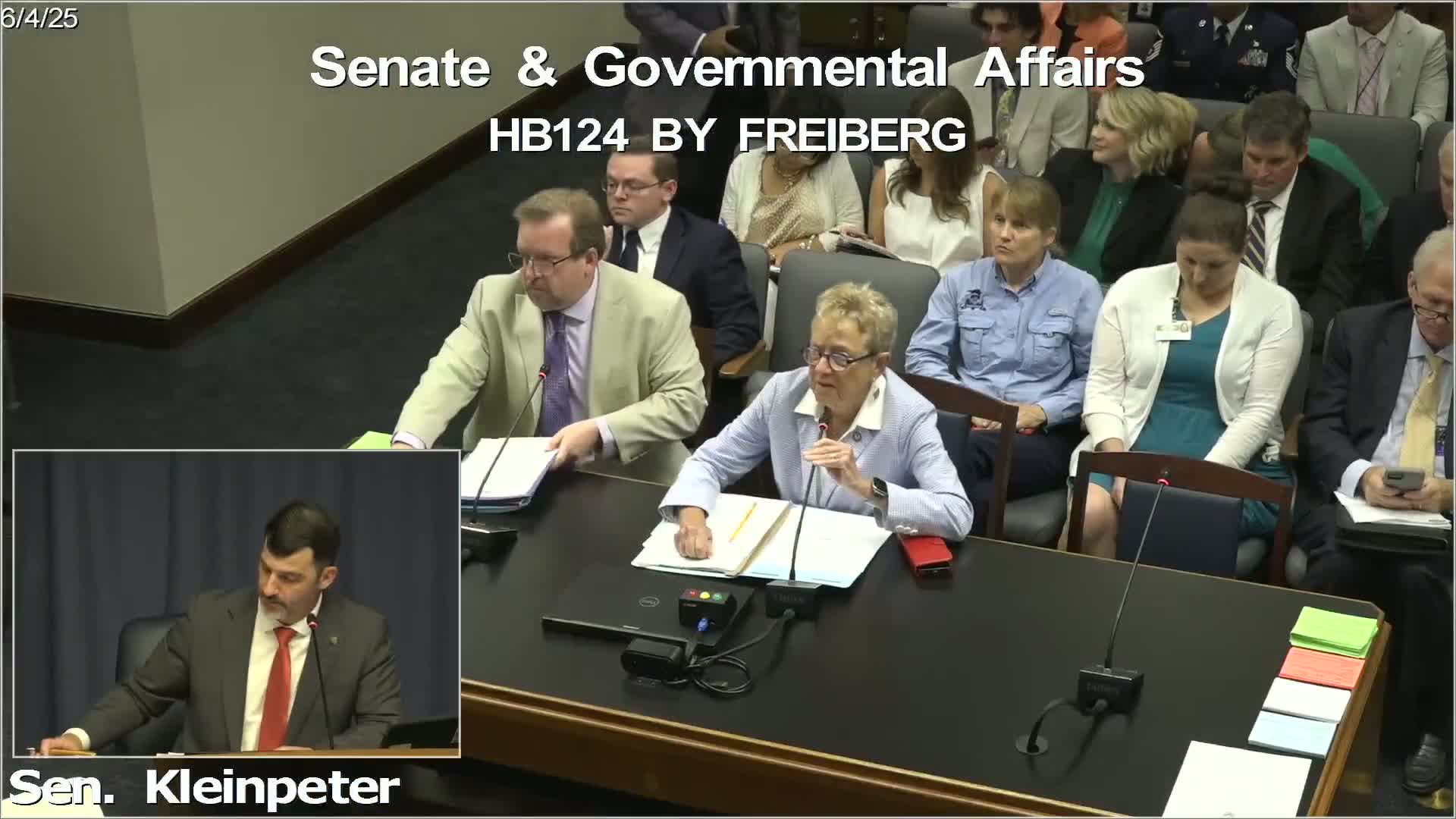
The Senate Committee on Senate and Governmental Affairs voted June 4 to report HB 124 favorably, a bill that would redraw subdistricts for the 19th Judicial District Court in East Baton Rouge Parish.
Supporters and expert witnesses told the committee the current judicial subdistrict map had not been updated in more than 30 years and now contains large population disparities among the three subdistricts.
"You have a considerable population disparity that has not been addressed or adjusted in over 30 years," pollster John Cuvion told the committee while describing census-based counts for each subdistrict. Cuvion said the proposed plan creates two subdistricts that would each elect seven judges and one judge elected at large so that the 15-judge court better reflects current population distributions.
Cuvion presented 2020 Census-era figures showing stark differences: a more central district with roughly 93,834 residents, a north-centered district with about 153,811 residents, and a south-centered district with about 209,136 residents. Supporters argued the 7-7-in-1 configuration reduces deviation to roughly 1.5% and would minimize displacement of sitting judges.
Chief Judge Don Johnson of the 19th JDC testified about the court's history of subdistricts created after litigation in the early 1990s to ensure minority representation. "We believe in equal representation," Johnson said, but he warned that changing subdistricts in one court while leaving family court and appellate panels unchanged could raise equity concerns.
Committee members asked whether the redistricting would force current judges into contested races or cause displacement. Supporters and the bill's sponsor said the statute is drafted to avoid immediate displacement and that sitting judges likely would not have to run against one another in 2026 elections.
After discussion, the committee reported HB 124 favorably with no recorded objections. The measure will proceed in the legislative process.
Why it matters: Judicial subdistrict lines determine where judges run for election and can affect representation on multi-judge benches. Supporters said the update addresses demographic shifts in East Baton Rouge Parish and reduces population deviation among subdistricts; some speakers warned about consistency with other judicial and family court districts.
What to watch next: The bill will move to the Senate floor. Opponents or affected stakeholders could seek further adjustments as the proposal moves through subsequent committee and floor action.