Get Full Government Meeting Transcripts, Videos, & Alerts Forever!
Get email alerts on the Extracurriculars Equity topic
No spam. Unsubscribe anytime.
Teachers, parents and union demand guaranteed extracurricular funding across MPS
Summary
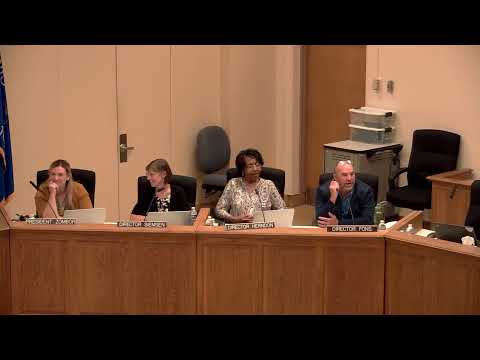
Dozens of teachers, union leaders and parents urged the Milwaukee Board of School Directors to restore and guarantee a full slate of extracurricular activities for all high schools and traditional middle schools, saying a centralized approach and past cuts have left many students without access.
Union leaders, coaches and classroom teachers told the committee the FY26 proposal does not include a districtwide guarantee for extracurricular activities that they said was previously promised. Ingrid Walker Henry, president of the Milwaukee Teachers' Education Association (MTEA), told the committee MTEA and the district had reached an agreement in a prior meet-and-confer that would restore extracurriculars; she said the current administration "will not include any budget toward extracurricular programming in her 20 25, 'twenty 6 budget."
"All of our students in public schools deserve equitable access to extracurricular activities that enrich their education," said Niccolo Onorato, an MTEA public-education advocate and teacher, listing clubs and activities that support student engagement. James Nelson, a high-school teacher who spoke later on the virtual line, said restoring a full slate of extracurriculars would cost "less than 1% of the budget" and urged the board to consider the union's plan before finalizing the FY26 spending.
Why it matters: Multiple speakers linked extracurricular offerings to attendance, school belonging and graduation. Teachers and parents said disparities are tied to zip codes and to which schools participate in selective-enrollment programs. Speakers said removing or underfunding activities harms students who are already underserved.
Public testimony highlights: Speakers included MTEA representatives, coaches and classroom teachers from high schools and middle schools across the district. Examples cited during testimony included competitive forensics and debate programs that keep students engaged, yearbooks and athletic teams. Speakers said some schools have minimal or nominal extracurricular offerings while others have robust programs.
Administration response: Superintendent Dr. Brenda Cassellius told the committee there were "no cuts to co curriculars" in the FY26 proposal but acknowledged the administration has not yet had time to catalogue every program across schools and that school-level budgets issued before the superintendent arrived reflected many local decisions. Cassellius said extracurricular access is a district value and that she aims to eliminate school fees and expand equitable access but that she needs more time to evaluate and propose a districtwide approach.
Next steps: Multiple speakers urged the board to amend the FY26 proposal to include explicit, dedicated funding for extracurriculars. The committee's informational hearing concluded with the administration inviting written testimony and promising more detailed budget breakdowns ahead of the board's June consideration.