Get Full Government Meeting Transcripts, Videos, & Alerts Forever!
Get email alerts on the Education Curriculum topic
No spam. Unsubscribe anytime.
North Andover staff propose full K–5 Eureka Math Squared rollout and phased social studies, ELA adoptions
Summary
District curriculum leaders presented plans to adopt Eureka Math Squared for K–5 in 2025–26 and to phase in Investigating History and Arts & Letters. Presenters cited pilot results, teacher feedback and grant/capital funds to cover materials; the school committee took the proposal as a first read and will vote at a later meeting.
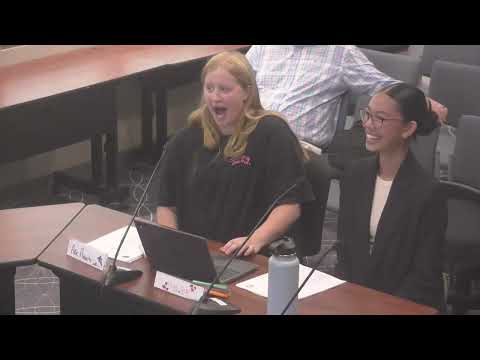
North Andover curriculum leaders proposed adopting high-quality instructional materials across multiple subjects at the School Committee meeting on June 5, 2025.
Curriculum directors Jacqueline Taylor, Joe Clark and Cara Larkham told the committee that the district’s pilot work and teacher feedback support a full K–5 adoption of Eureka Math Squared for next year, paired with a phased rollout of Investigating History (grades 3–7) and Arts & Letters (grades 6–8). "We believe that by implementing Eureka Squared, it's allowing all of our students to make the same effective progress," Joe Clark said during the presentation.
The district framed the proposal as an effort to lift grade‑level expectations and reduce inequities in access to rigorous assignments. Presenters cited the TNTP Opportunity Myth research and state guidance as supporting evidence that coherent, vetted curriculum materials increase student learning opportunities and outcomes. Cara Larkham described teacher feedback from pilots: teachers valued multiple perspectives and high expectations in Investigating History but reported pacing and scaffolding as areas needing supports. "Teachers are open to collaborating, recognize the potential of Investigating History and are willing to provide feedback," Larkham said.
Why it matters
District leaders said the proposed purchases would be primarily paid from capital improvement funds approved at town meeting and from existing grants where available. According to presenters, Investigating History has minimal material costs because the curriculum is open source; Eureka Math Squared and Arts & Letters carry higher initial print/digital costs but are expected to last multiple years. The district argued that investing in materials is cost‑effective when compared with one‑time personnel changes and is intended to support teachers’ instructional time.
What the proposals include
- Eureka Math Squared (K–5): Curriculum directors recommended a districtwide K–5 adoption beginning in 2025–26, with summer and early‑year professional development for teacher leaders and principals. Pilot classrooms reported strong MAP growth during the year; district leaders showed one fourth‑grade pilot class that moved into a majority of students with higher growth and achievement percentiles after the pilot year.
- Arts & Letters (6–8): A middle‑school ELA curriculum built on the Wit & Wisdom structure; the district plans a gradual rollout with 1–2 additional modules added next year rather than a full year of new units immediately.
- Investigating History (3–7 and civics): A DESE‑aligned social studies curriculum produced in collaboration with the Massachusetts Department of Elementary and Secondary Education. The district has piloted units in multiple grades and plans a phased expansion after further pacing and scaffold supports are developed.
Teacher supports and professional development
District leaders described a teacher‑leader model and layered PD plan: teacher leaders who piloted materials will lead summer and school‑year unpacking sessions, principals will participate in the same training, and the district will continue partnerships with Great Minds and TNTP for coaching. Clark said the goal is to develop "curriculum literacy" — teachers internalizing lessons and spending time on differentiation rather than building materials from scratch.
Funding and timing
Presenters said capital improvement funds approved at town meeting would cover initial material purchases for Eureka Math Squared and Arts & Letters, while some PD and pilot costs could be covered by existing grants (for example, civics or literacy grants). Investigating History is largely open source and requires lower material costs but additional PD funds. Classroom rollouts will be staggered by subject and grade to limit teacher overload: K–5 math adoption is proposed as a districtwide rollout; Arts & Letters and Investigating History would be phased so teachers can receive sustained support.
Next steps and committee action
The school committee treated the presentation as a first read and opened the floor for questions from members about pacing, digital vs. print materials, available grants and the scale of PD. Several committee members asked about year‑over‑year operating costs (consumables, digital subscriptions) and the district said those would be absorbed in the regular operating budget after initial capital purchases. The committee did not take a vote on a final adoption on June 5; directors said formal adoption votes are scheduled for a future meeting after members have time to review materials and cost estimates.
Ending
District leaders emphasized that the materials and PD are meant to support teachers’ day‑to‑day instruction and to raise consistent expectations across schools. The proposal moves forward to a formal vote after the committee’s review; staff said they will publish cost breakdowns and PD timelines before the next meeting.