Get Full Government Meeting Transcripts, Videos, & Alerts Forever!
Get email alerts on the Education Local Control School Choice topic
No spam. Unsubscribe anytime.
U.S. Rep. Burgess Owens backs Education Secretary, urges school choice and local control
Summary
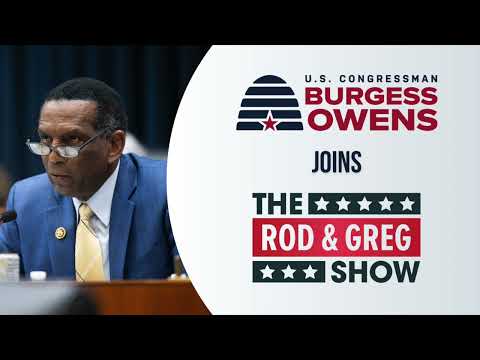
On the Rod and Greg radio show, U.S. Rep. Burgess Owens said he supports Education Secretary Linda McMahon’s push for local control and accountability, arguing parents should have more choice and schools should compete on merit.
U.S. Rep. Burgess Owens said he supports Education Secretary Linda McMahon’s push for local control and accountability in public education and urged expanded school choice during a radio interview on the Rod and Greg show.
Owens told hosts that returning funding and decision-making power to parents, local school boards and districts would reduce federal mandates and improve outcomes, saying, “give parents a choice” and that competition, merit and accountability will drive improvement.
Why it matters: Owens framed education as a national-security and economic issue, saying better school performance produces “good kids who come out excited about their future.” He argued that when parents can move their children to schools that meet their expectations, districts will either improve or lose funding and students.
On the interview, the hosts referenced recent comments by Education Secretary Linda McMahon and a controversial grading policy proposal reported in San Francisco schools. Owens said there is bipartisan momentum behind rejecting policies the public sees as lowering standards, and added, “What’s gonna really keep it this way is choice.”
Owens described the approach he favors as returning money to local control: let parents, school boards and teachers “decide how we wanna teach our kid and compete,” rather than attach federal mandates to funding. He said Utah’s competitive education environment provides an example he sees as successful and suggested competition between states would reveal best practices.
The conversation included a brief discussion of classroom practices cited by the hosts — such as changes to grading scales, homework and retake policies — which Owens and the hosts said drew bipartisan criticism and, in the hosts’ account, led the district to reconsider those policies. Owens emphasized accountability and said schools that fail to meet expectations should face consequences when families choose alternatives.
The interview did not include any announcement of legislation or formal actions by Owens. No vote, bill number or administrative rule was discussed on the air; Owens spoke in general terms about policy direction and priorities he supports.