Get Full Government Meeting Transcripts, Videos, & Alerts Forever!
Get email alerts on the Federal Education Funding topic
No spam. Unsubscribe anytime.
Green River College president warns proposed federal cuts to Pell, TRIO and adult-education grants
Summary
Dr. Suzanne Johnson said congressional proposals to reduce Pell Grant eligibility and terminate TRIO and adult basic education funding could harm hundreds of Green River students and related support services.
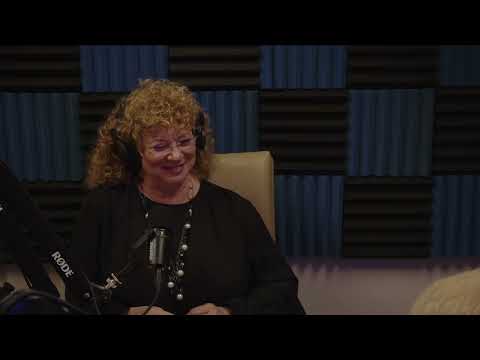
Dr. Suzanne Johnson, president of Green River College, told the "That's So Auburn" podcast that several congressional proposals under consideration could significantly reduce funding for students and programs the college depends on.
"Financial aid is money that helps support students that do not have the financial ability to pay by themselves to go to college," Johnson said. "There are some proposals that would reduce eligibility for Pell, and Pell is for the lowest of income, students. We're greatly concerned about the proposal for reducing Pell to our students. And we know at Green River that would affect hundreds of students every year."
Johnson also said TRIO programs'including TRIO STEM'are "currently being proposed for termination across the country." She described TRIO as grant-funded supports that employ staff to provide mentoring, tutoring and transfer assistance for first-generation, low-income students. "Our grants are coming'we have not only just the general TRIO, but we have TRIO STEM...they provide mentorship. They take them on different trips to other institutions to help them learn how to transfer," Johnson said.
She said adult basic education is another federally funded program under threat. Johnson described the potential consequences in staffing and student supports: grants fund employees who provide tutoring, advising and other wraparound services; termination would disrupt those services.
"These are programs that have always experienced strong bipartisan support," Johnson said. "And the reason that they do is because they work. They help people break out of intergenerational poverty and make better lives for themselves and their families...so to find that these programs could be potentially terminated by our federal government is of great distress."
Johnson said college leaders are engaging congressional leadership and national associations, and referenced testimony by peers at similar institutions. She recommended interested listeners consult organizations such as the American Association of Community Colleges (AACC) for more information and said the college's foundation focuses on scholarships and emergency assistance.
No formal vote or policy action occurred on the podcast; Johnson described advocacy and informational outreach she and other community college leaders are undertaking.