CCSD 46 task force outlines sustainability definition, partners and pilot results; board to set targets in strategic plan
Loading...
Summary
A district Sustainability Task Force and the Resource Conservation Committee presented a shared definition of sustainability, pilot results on composting and printing, and community partnership opportunities. Board members asked how initiatives will be integrated into the district's strategic plan and implementation timelines.
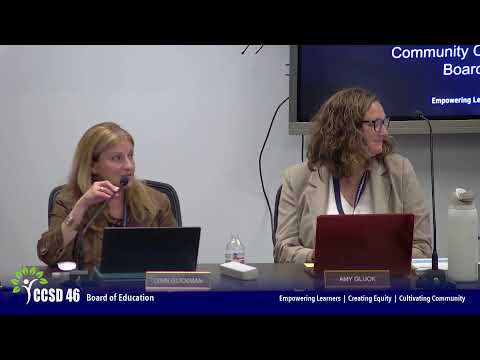
The Community Consolidated School District 46 Board of Education heard a presentation Wednesday from its Sustainability Task Force and an update from the district Resource Conservation Committee outlining a district definition of sustainability, recent pilot results and partnerships with local organizations.
The task force presentation, introduced by Board member Miller, said the board's November resolution on sustainability will be followed by concrete targets in the next strategic plan. "Sustainability thinking provides a foundation for responsible use, protection and management of resources to support current and future generations," Task Force member Jessica (task force) read aloud to the board.
Why it matters: board members emphasized that translating the task force's recommendations into actionable steps and funding will be necessary to avoid ad-hoc staff work and to align projects with the district's strategic priorities.
The task force explained how it defined sustainability and surveyed existing policies, programs and funding mechanisms. Presenters recommended updating policy language to move from "mild" references to clearer commitments (for example, to reference the district's compost program in policy 4:160). The group described curriculum and career pathway connections under Illinois's pathways program and climate-literacy efforts promoted by the Illinois State Board of Education.
Naomi Hershiser, Dean of Sustainability at Prairie Crossing Charter School, told the board, "We are all engaged in world changing work and you cannot change the world alone," and urged districtwide partnerships for professional development and place-based learning. Karen Wilkes, executive director of Liberty Prairie, described the organization as a partner in agricultural pathways and hands-on learning.
The Resource Conservation Committee reported operational pilot results. The committee said a composting program expanded to all seven lunchrooms this school year and that audits extrapolate roughly 100,000 pounds of food and liquid waste diverted from the landfill, representing an 88% reduction in weight and an 80% reduction in garbage bags from the audited sample. The committee also summarized a district printing reduction effort: an initial target to cut printing 10% in the first three months instead showed a 14% increase in that window, though the district reduced color printing by about 20% over the full year and ended the year with a net 0.4% increase in total printing. District staff said low response rates to a teacher survey (29 responses) suggested more outreach and building-level champions are required to change practice.
District presenters highlighted several potential operational investments and partnerships: community solar, geothermal where feasible, building automation systems (BAS) for HVAC, expanded community gardens, greater SWALCO coordination for waste disposal, and stronger cross-district ties with adjacent districts (D127 was cited). The task force also noted an existing carbon-capture device at Grayslake North and cautioned it is a small-scale pilot and that shipping the product long distances creates additional emissions.
Board members asked how the task force's work will be integrated with the strategic plan and how the district will prioritize projects and funding. Miller said the board has already identified sustainability as a key consideration in the upcoming strategic plan and asked staff to bring proposed targets back for board review. The administration and task force representatives said the next formal update on district solar performance will be presented by the district's solar contractor at the Aug. 13 board meeting.
The evening ended with an invitation to advance partnerships and to identify clear implementation owners and timelines so the board can avoid asking staff for unfunded work. The task force and committee recommended continued community engagement, policy updates to align language with district commitments and more building-level champions to expand composting and reduce unnecessary printing.
Less critical follow-up items include scheduling a full solar performance briefing in August, drafting specific policy language changes (for policies cited during the presentation), and returning with cost estimates and implementation plans for prioritized projects.