Get Full Government Meeting Transcripts, Videos, & Alerts Forever!
Get email alerts on the Liquor License Cap topic
No spam. Unsubscribe anytime.
Fayetteville work session revisits four-store cap on liquor licenses after local business plea
Summary
A Fayetteville resident urged the Board of Mayor and Aldermen to keep a four-store cap on liquor licenses; board members discussed whether to open the cap after a developer inquiry and agreed to bring the issue to the next board meeting for further public input.
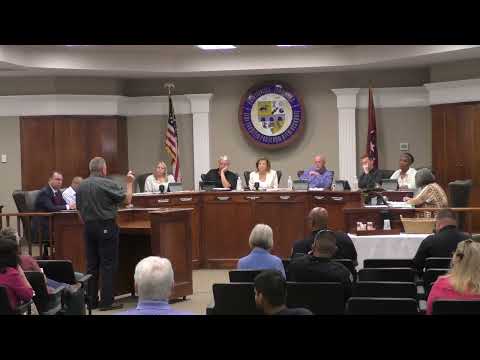
Sal Patel, a Fayetteville resident, told the Board of Mayor and Aldermen at a June work session that removing the city’s four‑store cap on liquor licenses would “devalue the significant investments made by existing small business owners in our community.”
Patel said his family sought a liquor store license in 2022, respected the board’s decision then to uphold the cap, and later invested over $1 million to buy an existing licensed location. “Removing it would not only devalue the significant investments made by existing small business owners in our community, but it would also risk saturating the market,” he said.
The issue returned to the board after a developer approached city staff about opening a new liquor store and asked whether the cap could be changed or removed. City staff said the proposal was discussed in committee and was brought to the work session to ensure transparency and to let the full board consider next steps.
Board members who spoke at the session described differing views. Some said the existing cap helped protect long-established, locally owned businesses and their customer bases; others said they favored letting market demand determine whether new stores can open. One board member said they supported removing the cap on free‑market grounds, while other board members expressed concern about market saturation and protecting current owners’ investments.
Council members discussed procedural next steps, including whether to hold a public hearing. Board members agreed to place the matter on the upcoming Tuesday board meeting agenda so representatives and members of the public could comment further, and to revisit the cap in committee if needed.
No ordinance change or vote on the cap occurred during the work session; the board’s action was limited to directing staff to put the item on the next regular meeting agenda for additional discussion and public comment.