Nominee Cheryl Mason Faces Questions Over Independence, Oversight Role as VA Inspector General
Loading...
Summary
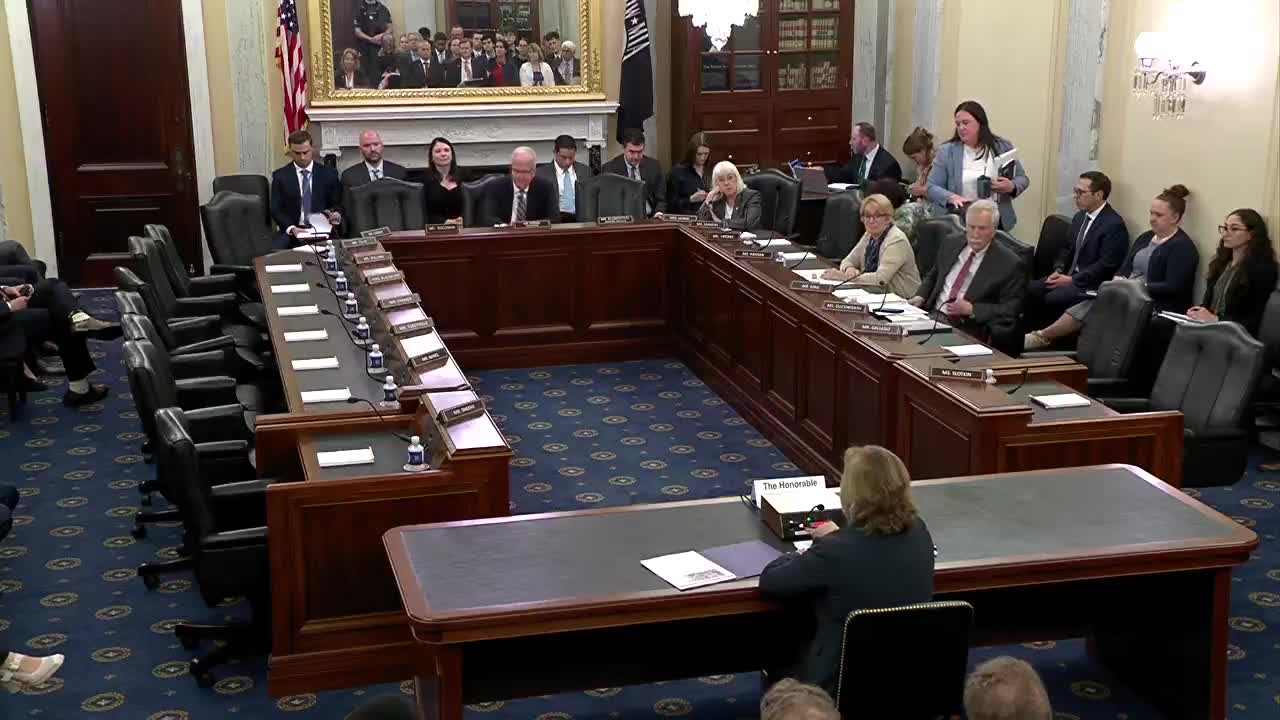
At a Senate Veterans' Affairs Committee hearing, Cheryl Mason, the president's nominee for VA Inspector General, pledged to follow the law and pursue outstanding OIG recommendations if confirmed while senators pressed her on ties to VA leadership, recusal plans, and investigations into mass firings and nondisclosure agreements.
Cheryl Mason, the White House nominee for inspector general of the Department of Veterans Affairs, faced sustained questioning on her independence on May 21 before the Senate Committee on Veterans' Affairs, where she pledged to ‘‘follow the law’’ if confirmed and promised to pursue open Office of Inspector General recommendations and investigations.
Mason told the committee she would use IG authority provided by law to conduct oversight and to follow up on more than 500 open, unimplemented OIG recommendations. She said her first priorities would be assessing the OIG office’s operations and its current investigations, and ‘‘find[ing] out what their current investigations are, see where they are in those investigations,’’ if confirmed.
Senators of both parties pressed Mason on whether her recent role as a senior adviser to VA Secretary Collins would impair the IG’s required nonpartisan, independent posture. Senator Richard Blumenthal (D) said an IG must be ‘‘completely nonpartisan and independent’’ and noted that confirming a political appointee who had advised the secretary raised ‘‘tremendous pause.’’ Senator Blumenthal repeatedly asked whether Mason had been involved in employee terminations, contractual cancellations, or the department’s reorganization; Mason repeatedly replied that she had not participated directly in terminations or contract cancellations since taking her senior-adviser role in 2025 and that her duties were to gather and convey information to leadership.
Mason acknowledged the appearance issue and described steps she had taken: she said she ‘‘stepped out of my role as senior adviser to the secretary shortly after [my nomination] was announced’’ and moved out of the secretary’s suite. She also said she would recuse herself ‘‘as appropriate’’ from investigations where her prior involvement created a conflict, repeating that she had recused in prior roles as a veterans law judge and board chairman.
Senators asked whether Mason would investigate the acting secretary’s termination of employees, including terminations that courts have found unlawful, and whether her office would look into nondisclosure agreements reportedly circulated to VA employees. Mason said the OIG ‘‘will look into [concerns] with the team and assess whether there needs to be an investigation’’ and directly committed that the OIG would independently investigate wrongdoing ‘‘regardless of any NDAs that employees have been forced to sign.’’
Committee members also raised resources for the OIG and recent reporting that the OIG staff would be reduced. Senator Angus King said he had learned the OIG was losing about 100 staffers and warned that shrinking the office ‘‘doesn’t indicate a great deal of respect and confidence in the job of the inspector general.’’ Mason said she would examine the office’s resources and ensure staff have what they need to operate independently and effectively.
Throughout questioning, Mason emphasized her long VA career, noting 28 years at the Board of Veterans’ Appeals and prior service as chairman and a veterans law judge. She said that experience informed her understanding of the department and its legal obligations and that, ‘‘as chairman and veterans law judge, I acted independently,’’ and she would do the same as inspector general if confirmed.
The hearing included repeated references to statutory protections for IGs. Senators cited the Inspector General Act (1978) and the IG Reform Act of 2008’s notice requirements, pressing Mason on whether recent firings of IGs without 30-days’ congressional notice complied with law; Mason repeatedly said those matters were in litigation and she would defer to the courts but affirmed she would ‘‘follow the law’’ and respect the IG’s dual reporting responsibilities to the secretary and to Congress.
The committee did not take a vote at the hearing. Members asked the nominee to provide follow-up answers and documentation after the hearing.
Why this matters: the VA Inspector General audits, inspects, and investigates programs that affect veterans’ benefits, health care and services. Questions about the nominee’s prior advisory role, willingness to pursue investigations touching her former portfolio, and the OIG’s capacity to follow up on outstanding recommendations bear directly on the office’s ability to hold the department accountable.
The committee’s questions will inform the record and could affect whether Mason is favorably reported to the full Senate for confirmation.