Get Full Government Meeting Transcripts, Videos, & Alerts Forever!
Get email alerts on the Community Process And Preservation topic
No spam. Unsubscribe anytime.
Neighbors and advocates say White Stadium process sidelined park preservation, call for alternatives
Summary
Dozens of residents and park advocates told the City Council committee they oppose the scale and process behind the White Stadium redevelopment, citing tree removals, lack of a state environmental review, transport impacts and equity concerns; advocacy groups proposed lower-cost alternatives focused on BPS needs and park restoration.
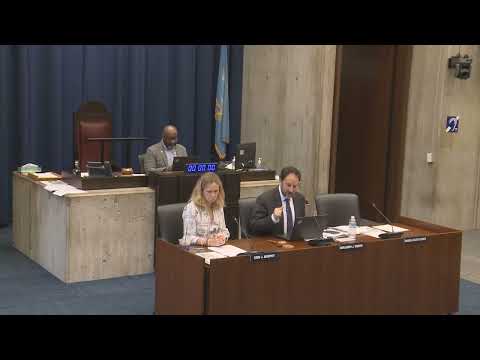
Residents, neighborhood groups and park advocates told the City Council committee on June 6 they remain deeply concerned about the White Stadium redevelopment process, the scale of the new stadium and the environmental and equity effects on Franklin Park.
"The demolition has proceeded, but the construction project has not been fully bid to my knowledge," said Karen Mani Bridal, president of the Emerald Necklace Conservancy, during the public panel. Advocates described demolition already completed, questioned why the project moved forward before a state-level environmental review and urged the council to pause and consider alternatives that would prioritize Boston Public Schools and preserve parkland.
Speakers said the public outreach process felt constrained and that critical issues remain unresolved, especially traffic, neighborhood parking and longer-term stewardship. James Meeley, a landscape architect and member of Franklin Park defenders, said: "They're building a new stadium in Franklin Park," and criticized the timing and scope of the environmental review relative to the scale of the construction.
Community members raised a set of common concerns:
- Scale and use: Several speakers noted the planned stadium capacity (staff and proponents referenced about 11,000 for some events) and warned the facility could attract larger non-BPS events such as concerts. Melissa Hamill said she supported women's soccer but argued "this is not the place for it" because of park preservation concerns.
- Tree removals and canopy loss: Advocates disputed the health-based rationale for many removals and questioned whether the caliper-inch mitigation and a 10-year planting schedule will adequately replace mature canopy and ecosystem services. "It is very convenient that 80% of the trees that are being considered unhealthy are surrounding the exact perimeter they need to expand the stadium," said an online testifier from Mattapan, reflecting community skepticism about tree assessments.
- Transportation and parking: Multiple speakers said the transportation plan leaves unanswered questions about shuttle origins, staging, overflow parking and impacts on nearby neighborhoods. Several residents predicted spillover parking and enforcement burdens on residential streets if shuttle and transit plans fail to materialize.
- Process and equity: Community speakers said they felt excluded from substantive choices about size and lease terms. "You have divided this community in such a way where I'm afraid to walk down the street," said Renee Welch of Jamaica Plain, describing tensions in neighborhood discourse. Multiple speakers urged use of existing city capital funds or a smaller, school-focused renovation rather than a large public-private stadium.
Panelists and public commenters asked the council to require fuller environmental review (including regional or state review where applicable), to present alternatives that prioritize public ownership and lower-cost renovation options, and to provide more transparent traffic and construction plans prior to any further irreversible construction activity.
The committee did not make a decision during the hearing. Councilors said they would continue oversight and requested additional exhibits and transportation follow-up from city staff.