Get Full Government Meeting Transcripts, Videos, & Alerts Forever!
Get email alerts on the Pepfar Humanitarian Aid topic
No spam. Unsubscribe anytime.
Senators warn cuts to humanitarian and PEPFAR funding undermine U.S. credibility in Africa
Summary
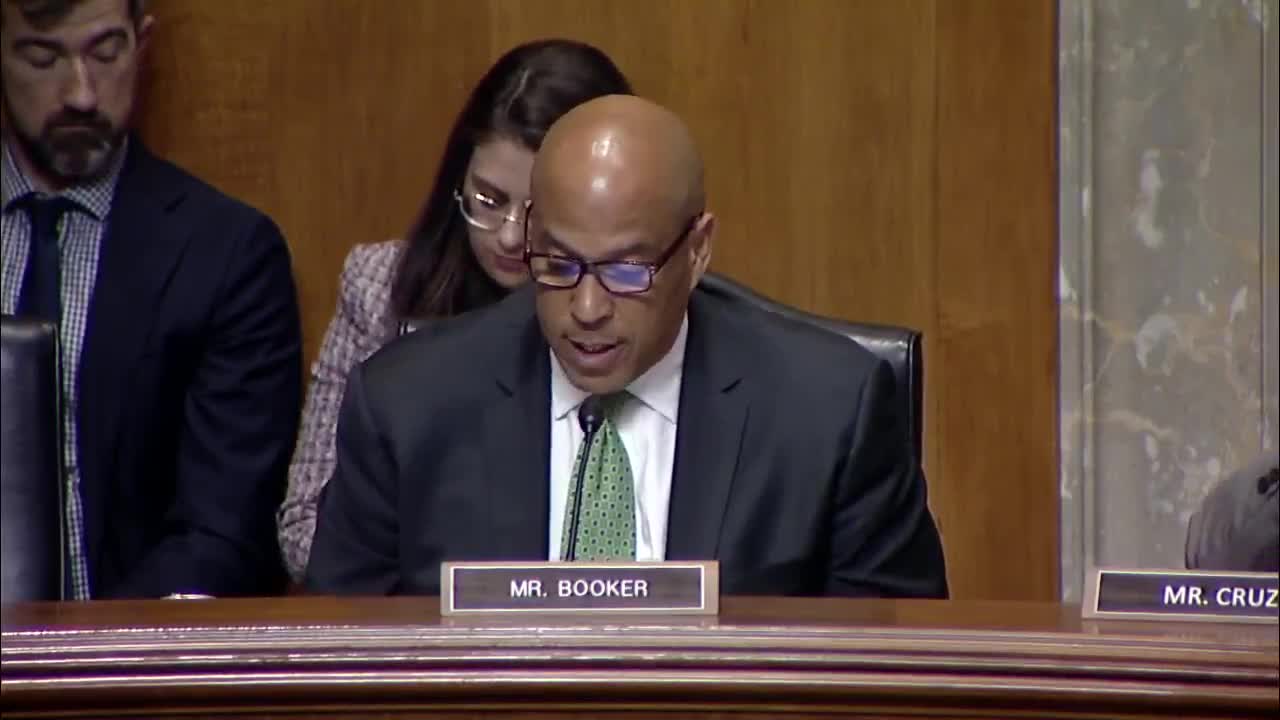
Senator Cory Booker raised sustained concern that recent cuts and proposed rescissions to U.S. humanitarian and global health programs undermine American credibility and create openings for China, Russia and others to expand influence in Africa.
Senator Cory Booker raised sustained concern that recent cuts and proposed rescissions to U.S. humanitarian and global health programs undermine American credibility and create openings for China, Russia and others to expand influence in Africa.
"Lifesaving humanitarian aid programs like in Sudan that I witnessed with my own eyes where a child is dying every 2 hours due to malnutrition. We are stepping out, China is stepping in to increase its humanitarian response," Booker said. He told the witness that terminating or impounding funds for bipartisan programs "burns through a lot of trust" and increases project costs.
Ambassador Fittrell said he shared concern for continuity of lifesaving programs and noted the administration's global health posture is being reorganized: "The global health security bureau is absorbing the tasks that USAID used to do in regard to PEPFAR," he said. He also stated he did not have full information on a rescission referenced by senators and pledged to find answers and provide written responses. Fittrell told senators he believed 85% of PEPFAR funding was continuing, repeating a number attributed earlier to a department official.
What was not decided: the ultimate disposition of the rescission request affecting PEPFAR and other global health accounts; senators asked for specific, timely written clarification on administration intentions and the status of programs and overseas staffing.
Why it matters: Senators said sustained U.S. funding for public health and humanitarian programs strengthens bilateral ties, supports stability and counters adversary influence; uncertainty about funding and paused projects makes host governments and local partners reluctant to rely on the United States as a consistent partner.