Get Full Government Meeting Transcripts, Videos, & Alerts Forever!
Get email alerts on the Critical Minerals And Supply Chains topic
No spam. Unsubscribe anytime.
Senate hearing warns China dominates critical-mineral supply chains in Africa
Summary
At a Senate Foreign Relations subcommittee hearing, the State Department witness and senators described Chinese control of African critical-mineral supply chains, cited examples including lithium market disruption and a recent tailings-dam collapse, and urged U.S. action to build domestic processing and allied supply routes.
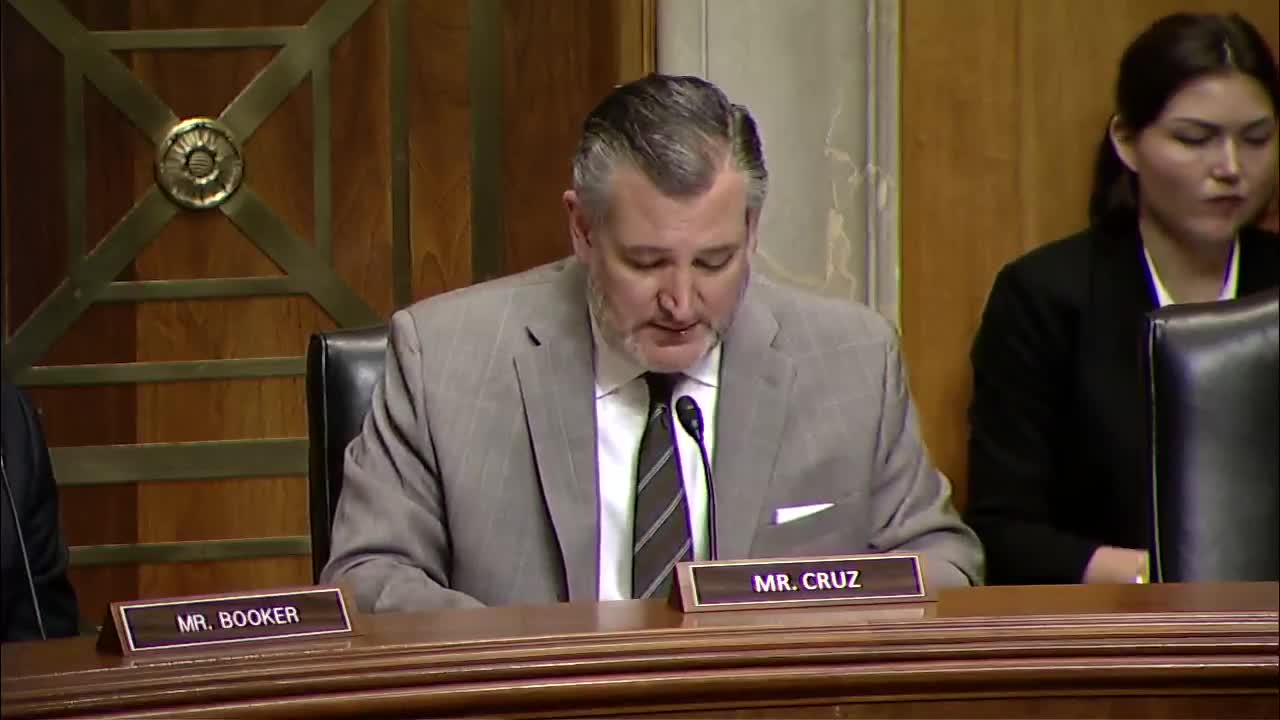
Senators on the Foreign Relations Committee's Africa and Global Health Policy Subcommittee pressed U.S. State Department witness Ambassador Fittrell on China's role in securing critical minerals across Africa and the risks that creates for U.S. supply chains.
"The primary reason why China is investing so heavily in Africa is critical minerals," Chairman Ted Cruz said during opening remarks, and Ambassador Fittrell told the panel the administration is prioritizing throughput to U.S. processing operations as part of a broader commercial diplomacy push. "It's my job to get the throughput for that," Fittrell said, noting recent and planned U.S. processing activity in Houston and the Mississippi Valley.
Senators and the witness described concrete market tactics and environmental risks that they said compound national-security exposure. Fittrell used the lithium market as an example of price pressure: Chinese actors, he said, "dumped a lot of lithium on the market, crashing the price," which made some Western projects commercially unviable. He also cited a recent tailings-dam collapse that he said released about "40,000,000 gallons of sulfuric acid into the Kafui River," potentially affecting some "6,000,000" livelihoods.
Lawmakers pressed for use of U.S. technical assets to map and secure resources. One senator raised legislation to mobilize the U.S. Geological Survey to help characterize mineral deposits and give U.S. companies preferential notice; Ambassador Fittrell said the U.S. Geological Survey is "the best respected entity of its type in the world" and that he would look favorably on expanded engagement.
What was not decided: senators asked how quickly the administration can translate the policy shift into tangible supply-chain projects and financing; Ambassador Fittrell described ongoing bilateral engagement with European partners and the need to reform U.S. financing tools to be faster and more risk-tolerant but did not provide timelines for specific domestic permitting or processing milestones.
Why it matters: Senators said dependence on non-U.S. processing leaves the United States vulnerable to being cut off from minerals that are important to defense and advanced technologies, and they urged congressional and administrative action to diversify credible supply options.