Lifetime Citizen Portal Access — AI Briefings, Alerts & Unlimited Follows
Senate subcommittee hearings push investment-led U.S. Africa policy to counter China
Loading...
Summary
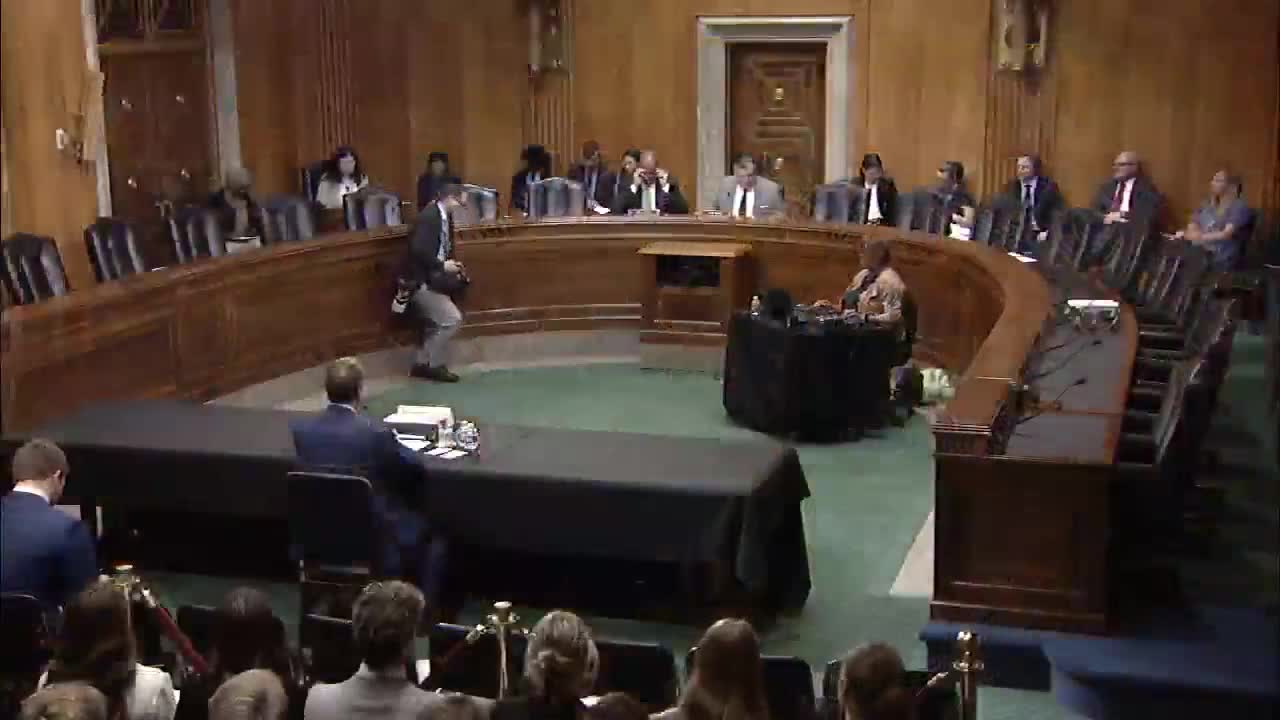
The Senate Foreign Relations Committee's Africa and Global Health Policy Subcommittee held a hearing June 4 focused on "China's malign influence in Africa," with Chairman Ted Cruz and Ranking Member Cory Booker leading questioning and Ambassador Fittrell testifying for the State Department.
The Senate Foreign Relations Committee's Africa and Global Health Policy Subcommittee held a hearing June 4 focused on "China's malign influence in Africa," with Chairman Ted Cruz and Ranking Member Cory Booker leading questioning and Ambassador Fittrell testifying for the State Department.
Members of both parties told the witness they support shifting U.S. policy from aid-only approaches toward what several called "investment-led commercial diplomacy" so the United States can be a stronger economic partner to African governments and businesses. "Today and into the future, U.S. Africa policy will revolve around investment-led commercial diplomacy," Ambassador Fittrell said. Chairman Cruz told the panel that "China represents the most significant long term strategic threat to the United States" in Africa and called for reshaping U.S. policy.
Why it matters: committee members said China is already deepening ties with African states through large-scale infrastructure and financing, trade and security relationships, and by securing critical mineral supply chains. Senators warned that reductions or pauses in longstanding U.S. development and health programs risk ceding influence to China, Russia and others. "We have an enormous amount of work to do," Cruz said. Booker echoed that commercial engagement should be paired with continued support for stabilization, humanitarian assistance and governance programs.
Most important facts: Ambassador Fittrell said the administration plans to prioritize private-sector led growth and a six-point set of actions that include making commercial diplomacy a core embassy function, promoting market reforms, implementing high-quality infrastructure projects, organizing commercial diplomacy missions, linking U.S. export-ready companies to African opportunities, and reforming U.S. trade and financing tools. Several senators pressed for concrete follow-through: funding disbursement for Development Finance Corporation projects, clarity on Millennium Challenge Corporation compacts that have been paused, and protection for global health programs.
Context and debate: Senators from both parties described bipartisan history on Africa policy and urged speed and coherence. Booker warned that terminating humanitarian and global health programs undermines U.S. credibility and advantages adversaries. Senator Van Hollen and others pressed Ambassador Fittrell to explain how U.S. tools — DFC, EXIM, MCC and U.S. commercial service presence — would be retooled to match China's speed and risk tolerance.
Next steps and process notes: The committee left the record open until the close of business on June 5 for follow-up questions and requested prompt written responses from the witness. The hearing record will capture additional details requested by senators about specific projects and funding allocations.