Get Full Government Meeting Transcripts, Videos, & Alerts Forever!
Get email alerts on the Boundary Change And Planning topic
No spam. Unsubscribe anytime.
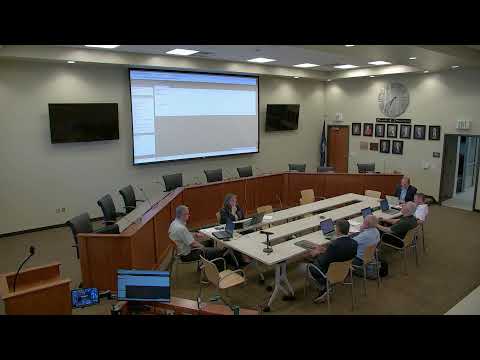
Board reviews boundary‑change, school‑closure procedures and commits to annual planning and transparency reports
Summary
District staff presented a policy modeled on state statute and USBA guidance outlining timelines and required public hearings for boundary changes and school closures; the board also discussed a commitment to multi-year planning and annual reporting on strategic, technology and professional‑development plans.
Todd McKee, superintendent, and other district staff presented a school-closure and boundary-change policy modeled on state statute and the Utah School Boards Association template and explained steps the district will follow if it proposes boundary changes or closures.
The policy describes timelines, public-notice requirements and public hearings the district will use before presenting final recommendations to the board, and it applies to both school closures and changes to special programs. McKee said a facilities advisory committee reviewed initial elementary‑boundary proposals and will return revised options in August; the board expects a final proposal no later than January so families have notice before registration cycles.
McKee said the committee currently plans not to change secondary boundaries for at least five years, and that middle‑school boundaries will be aligned to high‑school feeders as promised during the bond campaign. He added the district can limit outside attendance under the Choice policy to help manage capacity concerns.
District leaders also presented a separate “commitment to planning” policy and a reporting and transparency policy that will require annual board reports on the technology plan, strategic plan, and professional development plan. The technology director is preparing a five‑year plan; staff described E‑Rate as a federal funding mechanism districts use to help pay for network gear and other qualifying technology purchases, administered through a specific application and approval process.
The items were informational and intended to set timelines and expectations for community engagement; no final boundary decisions were made that night.