Lifetime Citizen Portal Access — AI Briefings, Alerts & Unlimited Follows
Senators, experts cite Memphis-style intermodal hubs as key to resilient U.S. supply chains
Loading...
Summary
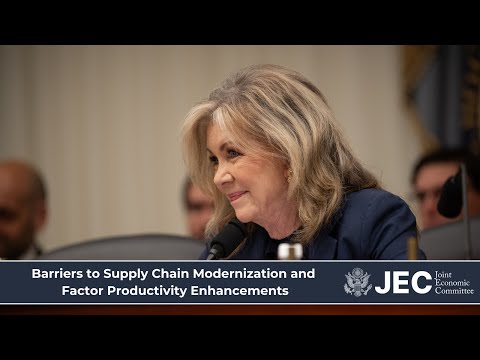
At a Joint Economic Committee hearing, a senator from Tennessee and two logistics experts discussed how intermodal clusters — exemplified by Memphis — support manufacturing reshoring and supply-chain resilience and noted pending legislation to encourage such efforts.
Senators and logistics experts at a Joint Economic Committee hearing said establishing intermodal hubs like Memphis is essential to rebuilding resilient U.S. manufacturing supply chains.
The discussion focused on how colocated transportation infrastructure — river ports, airports, rail yards and highways — creates business clusters that support faster repair, assembly and distribution, and on proposed federal legislation intended to foster that development.
A senator who identified himself as representing Tennessee told the committee that Memphis serves as a model. "Memphis, Tennessee has all five Class I railroads. We have an enormous intermodal because we have the port on the Mississippi River, and we also have FedEx," the senator said, describing an "enormous trucking industry" that has grown around the city's multimodal connections.
Doctor Sheffey recommended the book Logistic Clusters and argued that colocating similar companies spurs knowledge flows and innovation. "Look at the success of Silicon Valley. Look at the success of Hollywood. Look at the success of Wall Street," Sheffey said. "These are companies of the same ilk right next to each other because there's a flow of knowledge in coffee shop, in chance meeting between people that elevates the entire cluster."
The senator and another committee member referenced legislation they are sponsoring on the Senate side to promote resilient supply chains. "Senator Cantwell and I have legislation, the promoting resilient supply chains act over on the senate side, which would try to foster some of this," the senator said.
Doctor Rodriguez said transportation accessibility and colocation create "multiplying effects" that are difficult to dismantle once clusters form, and contrasted that with China's large-scale creation of manufacturing and logistic clusters. "Once these clusters are created what we found out is they cannot very be easily dismantled," Rodriguez said.
Committee discussion was explanatory and exploratory; no formal motions or votes were recorded during this segment. The conversation tied infrastructure elements, business clustering and federal legislative interest together as factors committee members said are important to making U.S. supply chains more resilient.
Speakers noted examples of service and manufacturing firms locating near transportation hubs to offer rapid turnarounds — a cited example was consumer electronics repair arriving back to customers within days — and discussed how those capabilities can attract manufacturing.
The committee segment ended without a recorded committee action; sponsors indicated legislative steps are underway on the Senate side to consider incentives and policies to encourage resilient intermodal development.