Get Full Government Meeting Transcripts, Videos, & Alerts Forever!
Witness says regulatory uncertainty, tariffs and U.S. port capacity are hindering automation and reshoring
Summary
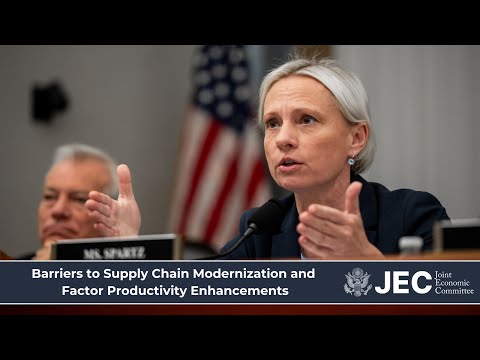
At a Joint Economic Committee hearing, Dr. Shippy testified that unpredictable regulations, new tariff regimes and U.S. port performance are discouraging businesses from investing in automation and bringing manufacturing back to the United States.
Dr. Shippy, a witness at the Joint Economic Committee hearing, told committee members that uncertainty in U.S. policy and regulation is discouraging business investment in automation and reshoring manufacturing.
"The uncertainty is killing businesses," Dr. Shippy said, describing private-sector responses to abrupt policy changes. He said supply-chain executives reacted calmly…
Already have an account? Log in
Subscribe to keep reading
Unlock the rest of this article — and every article on Citizen Portal.
- Unlimited articles
- AI-powered breakdowns of topics, speakers, decisions, and budgets
- Instant alerts when your location has a new meeting
- Follow topics and more locations
- 1,000 AI Insights / month, plus AI Chat