Get Full Government Meeting Transcripts, Videos, & Alerts Forever!
Get email alerts on the Alternative School Transportation topic
No spam. Unsubscribe anytime.
Board debates alternative‑school transportation policy; discussion deferred after vote rescinded
Summary
Board members engaged in a lengthy debate over whether parents should provide transportation for students remanded to alternative schools. A roll‑call motion to remove district transportation for students assigned to alternative schools briefly passed but was rescinded; the board agreed to revisit the policy in July.
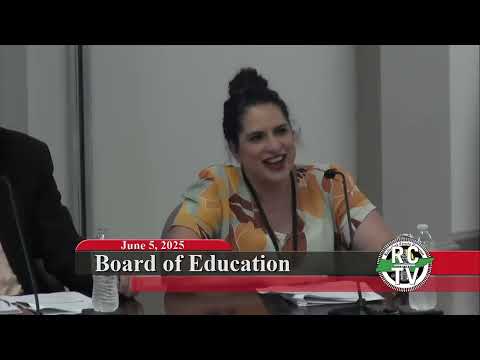
The Rutherford County Board of Education spent more than an hour debating whether the district should provide bus transportation for students remanded to alternative schools.
Board member Ms. Williams initially proposed that parents be required to provide transportation for grades 6 through 12 students remanded to alternative school sites (Smyrna West and Daniel McKee), while keeping district transportation for grades 1–5 students assigned to the north‑end alternative site (Simon Springs). That proposal failed on a roll‑call vote.
A subsequent motion to remove district transportation for students remanded to alternative schools for grades 1–12 passed on roll call. Several board members argued removing transportation would force parental involvement and make the disciplinary consequence more meaningful; others raised concerns about hardship for families and the logistics of long drives from the south end of the county to north‑end alternative sites.
Board members and staff discussed multiple possible mitigations: a district-run shuttle hub, zoning or school‑by‑school rules for how transportation would be assigned, designated off‑campus pickup points, and whether sites could be located at non‑school hubs. Staff noted the district currently runs door‑to‑door routes for students assigned to alternative schools; board members cited estimated counts of affected students — up to 40–50 elementary students at full capacity and about 100 students for some middle/high locations — as part of the logistics conversation.
Several board members also noted state law limits: at one point a board member said kindergarten placement in an alternative setting is not allowed by state law. Panelists described the district's discipline code and the range of offenses that can result in alternative‑school placement, explaining that responses depend on offense severity (level 1–5, with level 5 requiring zero‑tolerance responses).
After extended discussion about hubs, shuttles, supervision, and equity across geographic zones, board member Mr. Tidwell moved to rescind the recent vote and defer the final decision. The board agreed to withdraw the motion for now and directed staff to return with logistics and options at the July meeting.
Why it matters: The policy affects how families will be required to get students to assigned alternative programs and touches on district discipline, parental responsibility, equity across north and south county geographies, and transportation budgets. Board members emphasized the need to avoid overburdening school staff and to design a plan that can be supervised safely.
Next steps: The board asked staff to provide a detailed implementation plan and options, including potential hub locations, supervision proposals, estimated transportation costs and route impacts, and a list of affected schools, for consideration at the July meeting. No final change to transportation policy is in effect until the board votes on the returned proposal.