Get Full Government Meeting Transcripts, Videos, & Alerts Forever!
Get email alerts on the Labor Child Workers topic
No spam. Unsubscribe anytime.
Newsboys form union, strike citywide after paper raises wholesale price
Summary
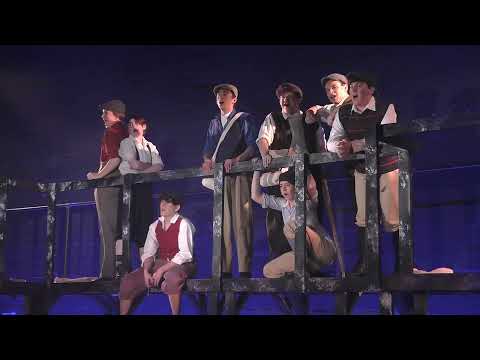
Street vendors known as "newsies" organized on the spot, voted to strike when the price per hundred papers rose from 50¢ to 60¢, occupied an old press to print their leaflet and forced a negotiated rollback after publishers and Governor Theodore Roosevelt intervened.
Jack Kelly and several hundred street vendors — self-identified "newsies" or newsboys — organized a union, declared a strike and staged a citywide work stoppage after newspaper wholesalers raised the price newsboys pay per hundred papers from 50¢ to 60¢.
The action began after a public announcement that the wholesale price for papers would increase by 10¢ per hundred. The vendors responded by forming an association on the spot, electing officers (Jack Kelly was nominated president), voting to withhold work and spreading word across boroughs including Brooklyn, Harlem, Queens and the Bronx. "We're on strike," Jack Kelly told assembled newsboys as the membership voted to act.
Within hours the group seized an unused printing press in the cellar of a theater to publish a leaflet they called the "Children's Crusade," telling other underage vendors to stay home and join a larger, citywide stoppage. The organizers allocated distribution zones — Brooklyn, Harlem, Queens, the East Side and other areas — and sent representatives to enlist support. Catherine Plummer, a newspaper reporter present at the rally, wrote a printed call-to-action that accompanied drawings and the newsies' demands.
The occupation of the press and the publication of the leaflet widened the dispute beyond a single storefront. The vendors used the new leaflet to rally a broader strike and to publicize alleged abuses at the city's juvenile "refuge," where superintendent Snyder was accused in the leaflet of profiting from incarcerating underage children. The dispute drew immediate public attention and brought city officials and the publisher Joseph Pulitzer into direct contact with the newsies.
Jack Kelly and others took the newsies' grievances directly to publisher Joseph Pulitzer. Pulitzer declined to restore the old price outright, saying he could not "put the price back where it was," but after a meeting that included public pressure and an appearance by Governor Theodore Roosevelt, the parties reached a compromise. The negotiated terms reported during the meeting included reducing the size of the price increase (a partial rollback), and a buyback assurance that the publisher would repurchase unsold papers at full price — a protection newsies said would limit their risk of carrying unsellable inventory. After the publisher and the newsies accepted the terms in public, participants celebrated the outcome. "We won," a participant exclaimed as the crowd reacted to the agreement.
The confrontation also produced immediate administrative consequences: the refuge superintendent, Mr. Snyder, was publicly identified in the printed material and in testimony as having mistreated children; within the meeting sequence those allegations led to an on-site response and Snyder was taken into custody for further investigation as speakers requested an inquiry. Governor Roosevelt pledged public support and framed the episode as an instance where young people asserted their rights; he urged that abuses alleged in the leaflet be investigated.
The strike leadership emphasized that the action was about the vendors' ability to earn a living and the exploitation of underage workers, not only about a single price change. Organizers instructed members to maintain discipline in public demonstrations and to spread the strike plan to other neighborhoods. The printed leaflet, the theater occupation to access a press, and the subsequent negotiation with the publisher together produced a rapid, citywide response that organizers described as the beginning of a larger labor movement for working children.
The immediate outcome recorded on the day: organized newsboys executed a citywide strike, printed and distributed strike literature using an occupied press, publicly confronted the publisher Joseph Pulitzer and secured a negotiated compromise that included a reduced price increase and publisher assurance on buyback of unsold papers. Officials present, including Governor Theodore Roosevelt, called for investigation into the juvenile refuge's practices.