Get Full Government Meeting Transcripts, Videos, & Alerts Forever!
Get email alerts on the Pensions And Benefits topic
No spam. Unsubscribe anytime.
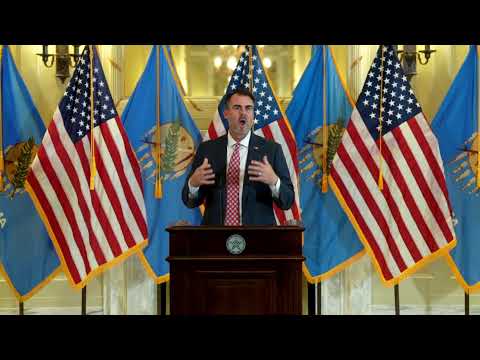
Governor warns National Guard bill creates new state pension costs after veto
Summary
The governor defended his veto of a National Guard pension bill, saying it creates a new state‑funded retirement window and estimated it could cost state taxpayers tens of millions annually if implemented.
The governor said he vetoed a recently passed National Guard bill because it would create a new state‑funded pension obligation that begins earlier than current federal benefits.
"What we just did with that bill is you created a new pension plan that the state is gonna pay for from 43 to 60," the governor said. He explained that National Guard members who complete 25 years of service currently earn a federal retirement that begins at age 60; the bill would require the state to pay benefits between retirement and age 60.
The governor gave illustrative numbers: he said a retired colonel’s benefit could be about $2,800 a month and that for some Air National Guard personnel the benefit could be as much as $6,500 a month, creating what he described as a potential $600,000 benefit for an individual in certain cases. He estimated the bill could translate into a recurring $10 million to $20 million annual budget increase for the state.
Why he vetoed it: the governor said he vetoed roughly 68 bills this session, many because they would grow government and increase long‑term taxpayer costs; the legislature overrode about 47 of those vetoes. He described the National Guard bill as an “unforced error” that establishes a permanent obligation that cannot easily be undone.
Details reporters sought: the governor asked journalists to report on the specific pension changes and said he did not believe voters or lawmakers fully understood the long‑term cost when they voted to override his veto.
What’s next: the governor said the fiscal consequences will play out in future budgets and described the item as one reason he used his veto power during the session.