PHEAA officials explain student-loan options, urge borrowing as a 'last resort'
Loading...
Summary
On a Pennsylvania Higher Education Assistance Agency podcast, officials outlined federal and private student-loan options, described PHEAA’s PA Forward and Keystone programs, and stressed planning, borrowing limits and timing to avoid “bill panic.”
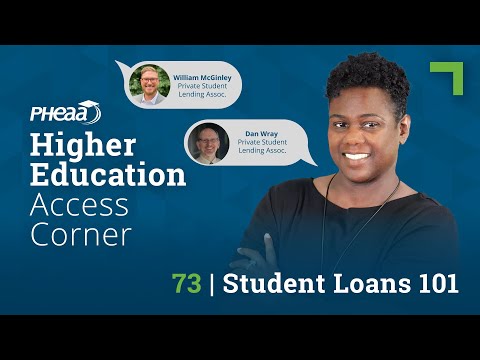
On a Pennsylvania Higher Education Assistance Agency podcast, Tiffany DeVan, host of the Higher Education Access Corner, spoke with Dan Ray and Will McGinley of PHEAA’s private loan team about federal and private student-loan options and PHEAA’s PA Forward and Keystone programs.
DeVan quoted the show’s repeated advice: "student loans are your last resort," and the guests emphasized planning, comparing offers and borrowing only what is likely repayable. "Don't borrow more than your projected starting salary," Dan Ray, executive account executive for PHEAA’s private student-loan team, said on the episode.
Why it matters: Millions of students borrow to pay for postsecondary education. The discussion reviewed federal Direct Loans and PLUS loans, private education loans, repayment-term tradeoffs, timing for applications and features of PHEAA’s own products that the agency said can lower costs for eligible borrowers.
Federal and private options
Ray described the federal Direct Loan program as "your first stop" and said schools commonly package subsidized and unsubsidized Direct Loans after students submit the FAFSA (Free Application for Federal Student Aid). Will McGinley, an executive account executive who said he worked for many years as a financial-aid director, explained Parent PLUS and Graduate PLUS loans are federal, credit-reviewed products that typically carry a higher fee than Direct Loans. McGinley said the Direct Loan fee is "about 1%" and that PLUS loans carry a fee of "a little over 4%." He added that federal programs also offer a wider range of repayment options than many private lenders.
Private loans and borrower considerations
Both PHEAA guests urged borrowers to compare fixed and variable private rates, fees and repayment terms. "Fixed means that when you take it out, it's gonna be that interest rate forever, unless you refinance it," McGinley said, noting that variable rates can rise and create payment shocks. Ray recommended fixed rates for planning, saying variable loans may suit short-term needs for borrowers prepared to refinance or otherwise adjust.
Timing, application and underwriting
Speakers said May–June is a common time for families to begin private-loan shopping for fall starts, and that many private-credit approvals are valid about 180 days. Ray and McGinley warned borrowers against requesting an excessive amount before school certification: lenders underwrite based on the requested amount, so asking for an amount much larger than the expected annual need can trigger underwriting denials. They also reminded listeners that private loans are certified annually and cannot be approved for all four years in a single application.
PHEAA programs: PA Forward and Keystone
Ray and McGinley described two PHEAA offerings. PA Forward is aimed at Pennsylvania residents; Keystone serves eligible residents of specified border states attending school outside Pennsylvania. The speakers said the principal difference is a residency requirement and that PHEAA’s tax-exempt funding lets PA Forward offer slightly lower rates. They outlined product types available through both programs: undergraduate student loans, graduate/professional loans (with higher aggregate maximums), parent loans and a refinance option. McGinley said cosigners are commonly used for undergraduate borrowers but are not always required.
Costs and rates cited on the podcast
Ray and McGinley gave approximate figures for comparison. Ray said PHEAA’s portfolio average interest rate is about "6.4% with no fees," while he characterized the broader private-loan market as often in the "9% to 10%" range depending on the source. McGinley reiterated that federal fees and PLUS loan fees differ from many private products and that prospective borrowers should factor fees into net-cost calculations.
Resources and next steps
The guests urged students and families to complete the FAFSA, apply for scholarships and state grants first, and treat loans as a last resort. McGinley recommended the free tool mysmartborrowing.org for career and borrowing planning, and both speakers encouraged listeners to use lender-comparison tools (they mentioned Elm Select and FastChoice) and PHEAA webinars available at pheaa.org (apply.pheaa.org for applications).
The episode closed with repeated advice to plan early to avoid "bill panic," check credit reports before applying and add modest cushion amounts for incidental costs when estimating annual borrowing needs.
Ending: The conversation was presented as informational guidance rather than a decision or regulation; PHEAA representatives recommended that borrowers compare offers, read terms carefully, and contact lenders or financial-aid offices with specific questions.