Get Full Government Meeting Transcripts, Videos, & Alerts Forever!
Get email alerts on the Water Stormwater Infrastructure topic
No spam. Unsubscribe anytime.
Board and public highlight stormwater and water‑supply concerns tied to housing element
Summary
Residents and board members told Seal Beach officials June 5 that existing stormwater flooding, aging sewer and water infrastructure, and regional water scarcity warrant closer attention in the draft EIR and in any mitigation or fee programs tied to new housing.
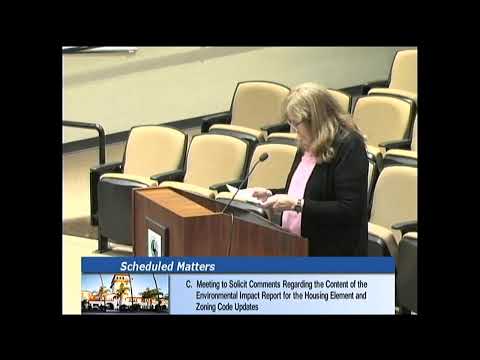
Multiple board members and public commenters at the June 5 Environmental Quality Control Board meeting raised concerns about the city’s stormwater, sewer and water infrastructure in the context of the housing element and draft EIR.
Planning commissioner and resident Richard Coles, drawing on his experience as an engineer, urged more detailed analysis of stormwater and underground piping in older parts of the city, saying some original pipes date to the early 20th century and that flooding on Main Street and in Old Town is already “rampant.” Board member Mike (surname not specified) questioned whether mitigation proposed in the EIR — chiefly developer fees — would actually buy additional water supply, noting “you can't buy more water when it doesn't exist.”
Why it matters: the draft EIR identifies hydrology and water supply as resource areas that require analysis; commenters stressed that programmatic mitigation that relies on fees may not address physical shortages or failing pipes. Several speakers urged specificity about how fees would be used — for recycled water, stormwater improvements, or other tangible infrastructure projects — rather than relying on generalized “in‑lieu” contributions.
Key details: board members and residents identified chronic local flooding and the potential for more severe storm events under climate change. The consultants said hydrology and water supply analyses were completed for the programmatic EIR and that state site‑selection guidance limits selection of highly flood‑prone parcels for opportunity sites; nonetheless, speakers requested that documented local flooding spots and any known subsurface problems be added to the administrative record for review and response.
Process and next steps: staff and consultants again encouraged residents to submit written, site‑specific evidence (flooding photographs, local drainage observations, or known pipe failures) during the public comment period so the final EIR can address omissions or produce supplemental analysis where required. The board did not adopt new mitigation measures at the meeting.