Get Full Government Meeting Transcripts, Videos, & Alerts Forever!
Get email alerts on the Budget Transparency topic
No spam. Unsubscribe anytime.
Council member seeks $60,000 for searchable, year‑round metro budget database
Summary
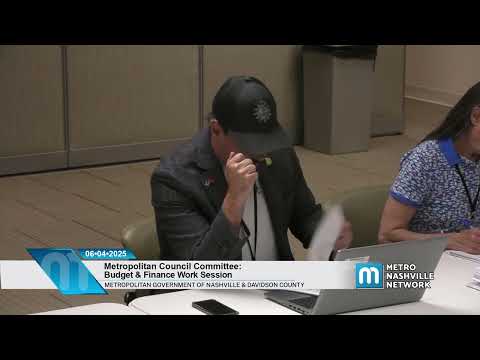
Council member Welsh proposed $60,000 to build a publicly searchable database that would tag metro spending by categories such as childcare and maternal health, aiming to make year‑over‑year comparisons easier; staff said the project would need ITS integration and finance participation.
Council member Welsh proposed $60,000 to create a searchable, year‑round public database that would allow residents to track metro government spending by category.
“we go through this budget process every year and we talk about, we give certain dollar amounts to each thing that we fund within metro government. But I don't necessarily think that, the people in our community actually know where those dollars are going, what they're actually funding,” Welsh said, arguing the tool would make it easier to see how dollars are allocated to areas like childcare, maternal health and public safety.
The proposal is framed as a transparency and civic‑engagement tool: Welsh said the database should make it “very easy for people to be able to go up online and look to say, how much money are we actually allocating towards child care or maternal health or police department or food and things like that.”
Council member Evans asked for examples of what the visuals would look like; Welsh said she could provide a list of other cities’ implementations and staff assistance. A staff member asked Welsh to send comparative examples to the council office and to CC the council communications director.
Staff from information technology and finance said the project would require cross‑departmental work. An ITS staffer said, “We would need a lot of ITS help,” and finance staff explained the tool normally ties into the city’s financial system of record and that data integration and external engagement requirements would need to be vetted.
No vote or formal action was taken. Committee members flagged two practical points for follow‑up: (1) Welsh will provide examples from other cities for design and (2) the proposal will require coordination between Finance (owner of the budget process) and ITS (data and integration). The committee did not set a funding source or approve the item during the session.
Council members and staff asked that the proposer conduct outreach to affected departments and ITS before any formal budget amendment is drafted; Welsh agreed to supply sample sites and visual examples to staff and council colleagues.