Lifetime Citizen Portal Access — AI Briefings, Alerts & Unlimited Follows
Senate panel questions PBGC nominee Janet Dillon on Special Financial Assistance, premiums and pension risk transfers
Loading...
Summary
Janet Dillon, President Trump’s nominee to lead the Pension Benefit Guaranty Corporation, told the Senate Finance Committee she would work with PBGC experts and Congress to address structural problems in the multiemployer pension system while acknowledging implementation lapses in the Special Financial Assistance program.
Janet Dillon, nominated to lead the Pension Benefit Guaranty Corporation, told the Senate Finance Committee that she would work with PBGC staff and Congress to address structural problems in the multiemployer pension system while seeking to improve agency operations and transparency.
In her opening remarks, Dillon described her time as chair of the U.S. Equal Employment Opportunity Commission and private-sector general counsel roles and said she was prepared to “review all aspects of the PBGC’s operations” if confirmed. She noted that roughly 31 million workers, retirees and beneficiaries rely on PBGC protections and said the agency manages assets valued at over $150 billion.
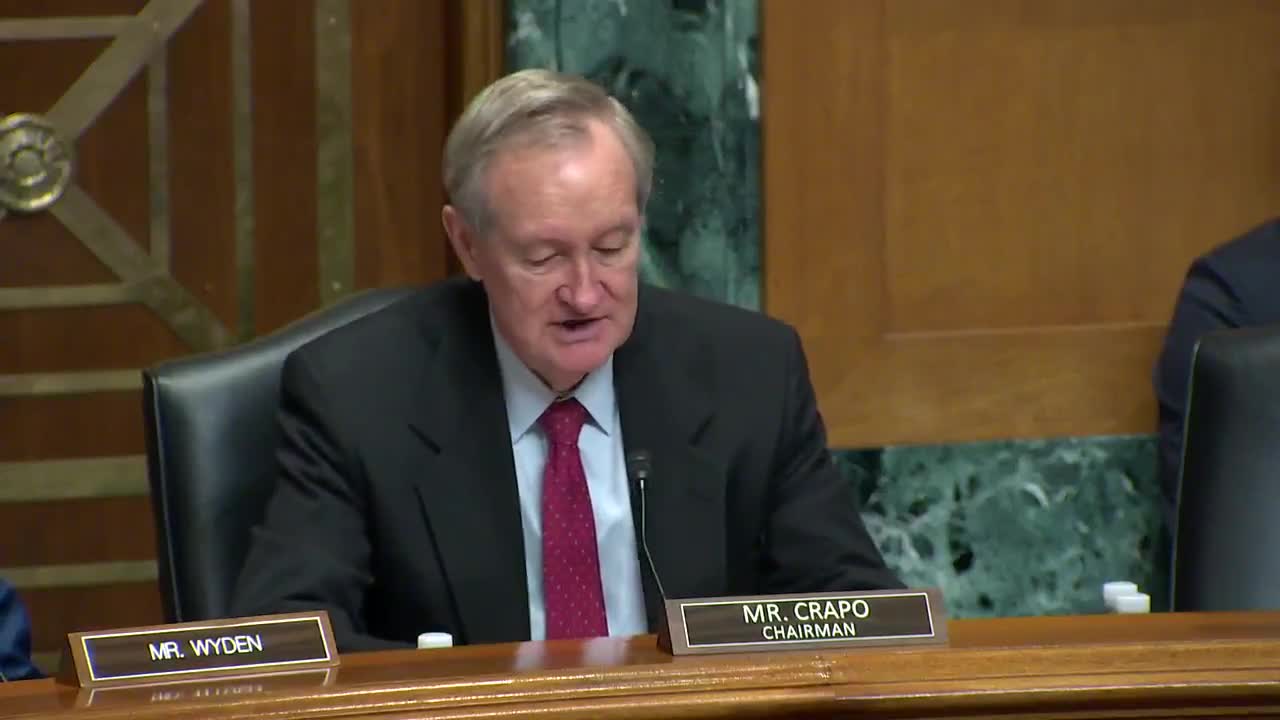
Chairman Crapo asked Dillon what congressional changes she would recommend to strengthen the multiemployer system. Dillon told the committee that the Special Financial Assistance (SFA) program—created under the most recent legislative rescue for troubled multiemployer plans—addressed the most critically underfunded plans but did not fix the system’s broader structural issues. “If I am confirmed, I would want to work with the experts at the PBGC to provide input and technical assistance to the policymakers in Congress to address the continuing issues,” she said.
Senators also discussed the PBGC’s differing financial positions across programs. Dillon noted the PBGC’s single-employer insurance fund is in a positive position and that the agency is “running a surplus, particularly with respect to the single employer plan program.” She cited the agency’s work implementing SFA, acknowledged “lapses” including payments for deceased participants and said correcting those errors took longer than desirable.
On pension risk transfers—where plan sponsors buy annuity contracts from insurers and transfer obligations—Dillon said the PBGC lacks statutory authority to block such transfers but audits some annually and pursues recoveries where calculations are in error. She told senators she believes premium levels can affect sponsor decisions to transfer risk and said PBGC can provide technical assistance and oversight.
Why this matters: PBGC oversees billions in pension insurance and its policies, premium levels and the long-term structure of single- and multiemployer programs affect the retirement security of millions of workers and retirees. Dillon’s responses highlighted where statutory authority limits PBGC action and where Congress could consider changes.
The committee did not record a confirmation vote at the hearing; senators asked for follow-up engagement and written responses where needed.