Get Full Government Meeting Transcripts, Videos, & Alerts Forever!
Get email alerts on the Manufacturing Meps topic
No spam. Unsubscribe anytime.
Senators urge Commerce to preserve Manufacturing Extension Partnership as department reviews program
Summary
Several senators urged Commerce Secretary Lutnick to retain or reform the Hollings Manufacturing Extension Partnership (MEP) and questioned a department proposal that appears to remove MEP funding; Commerce said it would review inspector‑general findings and modernize programs.
Several senators on the Appropriations subcommittee urged Department of Commerce Secretary Lutnick on June 4 to preserve and modernize the Hollings Manufacturing Extension Partnership, a long‑standing NIST program that offers technical assistance to small and medium manufacturers.
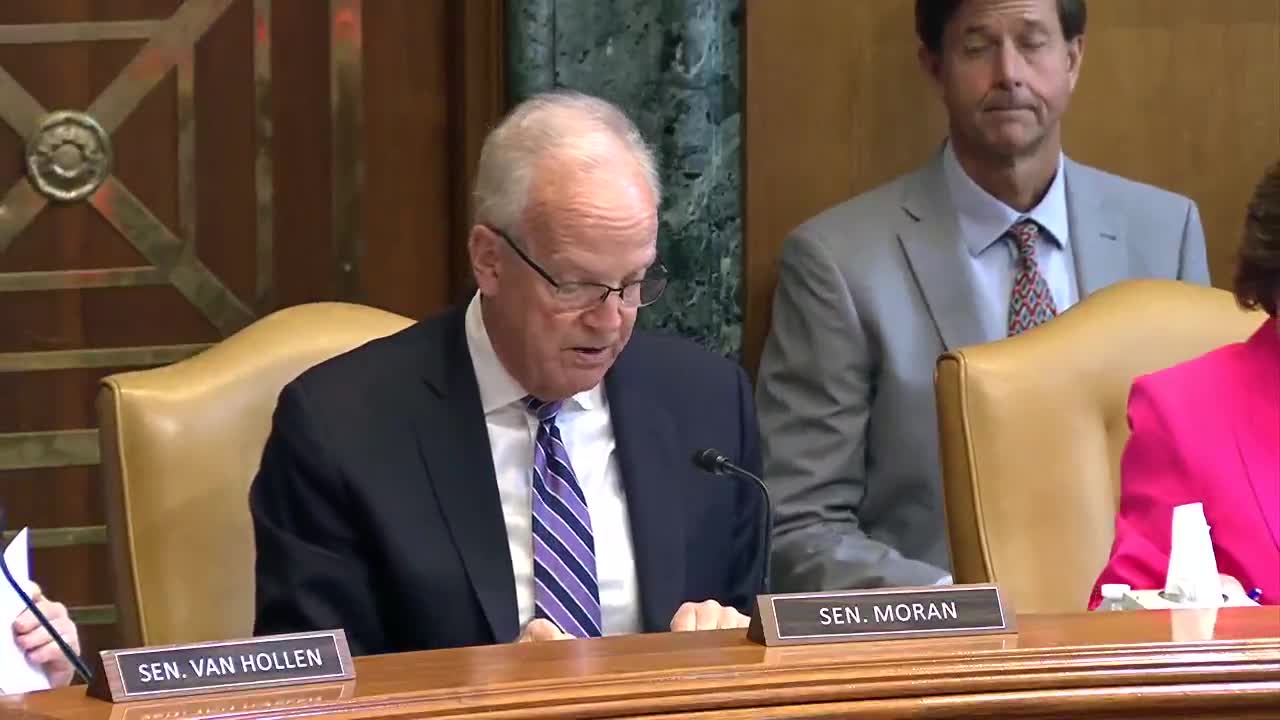
Members from both parties described MEP as a widely used program that supports machine tools, supply‑chain finance and other practical services for manufacturers. Senator Jerry Moran, the subcommittee chair, told the secretary that the budget request “suggests the elimination for the Hollings Manufacturing Extension Partnership,” and asked how the department would ensure small manufacturers continued to receive assistance if MEP funding were not requested. Senators from Kansas, New Hampshire, Oregon and other states offered examples of MEP’s local impact.
Secretary Lutnick said he wanted to “reexamine and retool a whole variety of these programs” to reflect new technologies such as artificial intelligence and automation. He also cited an inspector general report that highlighted “waste, fraud and abuse” in some MEP center compensation practices and said the department would address identified issues before moving forward with recompetition or renewal of cooperative agreements.
Senators emphasized the program’s measurable returns. During the hearing Senator Maggie Hassan (and others) noted MEP had secured an estimated $5 billion in new investments and created or retained about 8,000 jobs in FY24, figures she and colleagues attributed to the program’s effectiveness. Lawmakers asked the department to meet with bipartisan delegations of senators and MEP stakeholders to design reforms that preserve MEP’s core outreach while fixing governance and compensation problems identified by the inspector general.
Committee members also discussed broader economic development funding in the Commerce request, including a cited proposal to eliminate the Economic Development Administration (EDA). Secretary Lutnick repeated the administration’s objectives to reduce duplication and modernize programs but agreed to work with senators on reform and to review competitive processes for tech hubs and related awards.
Senators asked that existing recipients and states not be forced to restart expensive grant applications unnecessarily; Secretary Lutnick said the department would seek to make awards that deliver "the benefit of the bargain" and avoid unnecessary rework where possible.
The subcommittee asked the department to provide additional information and to meet with members to discuss program reforms, competition timelines and the inspector general’s findings.