Senators press SEC chair on dismissed cases, staffing and potential political influence
Loading...
Summary
Ranking members asked SEC Chairman Paul Atkins about recent case dismissals involving politically connected figures, staff reductions and how the agency will maintain independence and enforcement capacity.
Ranking and committee members asked Paul Atkins, chairman of the Securities and Exchange Commission, to explain why several high-profile SEC cases were dismissed and how staffing changes could affect impartial enforcement.
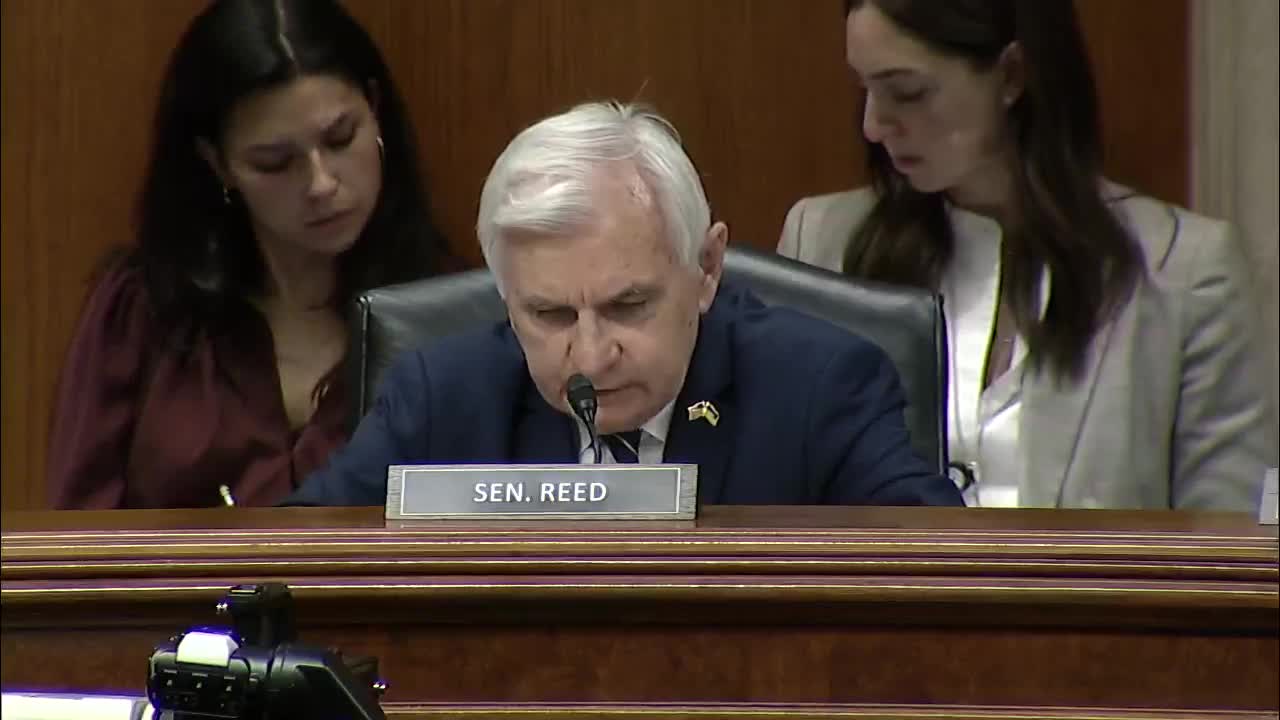
Senator Reid and others asked specifically about cases the SEC had dismissed that involved individuals with ties to the president. Reid asked for the rationale for the dismissals and how the public could be assured there was no political interference. Atkins said he either did not participate in the earlier case or that the case was brought before his tenure, and he could not speak to the specifics: "I believe that case was dropped before I got to the SEC, or if not, I didn't participate in it. But, so I can't speak to the specifics of that case." He told senators that the commission historically acts "without fear or favor" and said he was proud of the agency's record and would seek to continue that approach.
Senators raised the example of a dismissed fraud case against Justin Sun and asked whether the dismissals could be tied to political donations and influence. Reid described donations and investments involving Mr. Sun and asked, "What was the rationale for dropping the case against Mr. Sun?" Atkins reiterated he was not in a position to explain prior prosecutorial decisions and offered to follow up.
Separately, senators asked about the "presence of Doge within the SEC" and whether representatives of Doge (a reference discussed in the hearing) received vetting or restrictions while participating in engagements with the agency; Ranking Member Reid asked about what access and restrictions Doge representatives had given open cases involving Elon Musk. Atkins said he would look into vetting and conflicts and that the agency would be mindful of conflicts of interest.
Why it matters: questions about dismissed cases, staff reductions and access by private parties to agency staff and officials raise concerns about enforcement independence and public confidence. Senators requested additional information and asked the SEC to follow up on case-specific rationales and vetting procedures.
Discussion vs. decision: no formal enforcement actions were taken at the hearing; senators asked for follow-up and additional information. Atkins offered to provide clarification on specific cases and any vetting implemented for outside visitors.
Ending: senators said they expected the SEC to respond to questions for the record and to maintain independence in enforcement.