Get Full Government Meeting Transcripts, Videos, & Alerts Forever!
Get email alerts on the Audit Finance topic
No spam. Unsubscribe anytime.
Baltimore audit finds six material weaknesses, qualified opinions on several federal programs
Summary
The city's FY2024 annual comprehensive financial report and single audit, presented June 4 to the Board of Estimates, included a clean opinion on the ACFR but identified six material weaknesses in internal controls and qualified opinions for multiple federal programs, prompting calls for staffing, training and systems fixes.
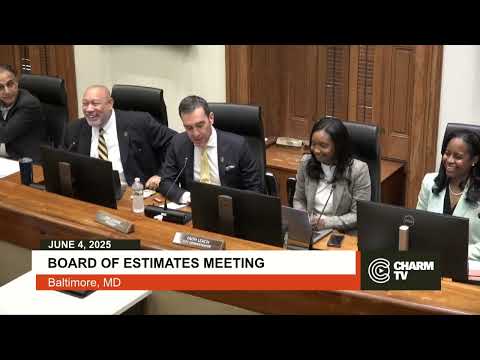
The Board of Estimates on June 4 noted the City of Baltimore's annual comprehensive financial report (ACFR) and the federal single audit for the year ended June 30, 2024, which auditors said included six material weaknesses in internal control and qualified opinions on compliance for several federal grant programs.
The city auditor, Josh Pash, said the ACFR is the city’s official financial report for the year and that the single audit reviews federal awards. Bill Seymour, engagement partner for SB and Company, told the board, "We've issued an unmodified or, if you will, clean opinion on the city's ACFR; we discovered no instances of material fraud," while cautioning the audit identified six material weaknesses and other deficiencies.
Why it matters: material weaknesses signal that the city could not reliably prevent or detect a material misstatement in its financial statements without adjustment, and qualified compliance opinions risk federal recapture or other corrective actions on specific grant programs.
Key findings cited by auditors included large post-close adjustments to cash and cash equivalents, errors in grant accounting and reporting, billing and receivables issues in water and wastewater funds, fixed-asset accounting problems for construction-in-progress and placed-in-service assets, and deficiencies in information-technology controls protecting general ledger data. Tianna Nguyen of SB and Company said the firm tested 11 material federal programs (covering about 79% of federal awards) and issued qualified opinions for seven programs.
Auditors summarized recurring themes: improper preparation of the schedule of federal awards, inaccurate reporting of subrecipient payments, insufficient evidence of subrecipient monitoring, weaknesses in cash-management documentation, and late or incomplete federal reports. They recommended strengthened training, clearer policies and supervisory review and emphasized that corrective work often takes more than a single year because audits are backward‑looking.
Comptroller Bill Henry pressed for faster transparency and more staffing, saying the findings show the need for accurate, reliable financial data throughout the fiscal year so elected officials can monitor spending. Deputy director for finance Ioana Mosidis and Finance Director Michael Moxon outlined steps under way: active recruitment for vacant accounting positions, expanded grants‑management oversight, Workday and Workiva improvements to reduce spreadsheet reliance, and more regular follow-up on agencies’ corrective-action plans.
The board noted the audit and auditors and administration committed to monthly oversight and further corrective steps. The matter was listed as noted by the board; no policy change or ordinance was adopted at the meeting.