Get Full Government Meeting Transcripts, Videos, & Alerts Forever!
Get email alerts on the Rental Housing Standards topic
No spam. Unsubscribe anytime.
Skokie reviews 10 years of Neighborhood Integrity Ordinance; trustees press for more tenant outreach and data
Summary
Village staff presented the Neighborhood Integrity Ordinance and associated programs — landlord training, rental registration, crime‑free lease addendum, routine and presale inspections — and trustees asked for clearer tenant outreach, retaliation protections and longitudinal compliance data.
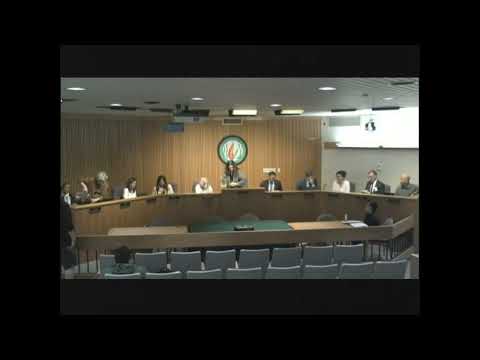
Village staff on June 4, 2025, presented an overview of Skokie’s Neighborhood Integrity Ordinance — adopted in January 2014 — and the village’s linked Fair Housing Ordinance and neighborhood services, marking roughly a decade of coordinated enforcement, landlord training and tenant protections.
Community Housing Director Johanna Knighton, Police Chief Jesse Barnes, Health and Human Services Director Mike Charley, Officer Rich Wilkin and Building and Inspection Services Manager Angel Schneert described how the program combines rental registration, mandatory landlord seminars, routine and presale inspections of common and exterior areas, a crime‑free lease addendum and a neighborhood standards officer as a liaison for landlords, tenants and neighbors.
“It's an approach to how we work to support and sustain neighborhoods throughout Skokie with high quality housing,” Johanna Knighton said. Police Chief Jesse Barnes said the ordinance “establishes a structured relationship between the police department and landlords and tenants” and identified a designated neighborhood standards officer as a “clearing house” for housing concerns. Health and Human Services Director Mike Charley described the Fair Housing Ordinance’s local enforcement role and said the Human Rights Commission can investigate complaints and impose remedies.
Key program features discussed by staff included a $25 per‑unit rental registration fee (waived after three years of good compliance for qualifying owners), mandatory landlord seminars that include fair housing training, crime prevention through environmental design (CPTED) surveys offered roughly 20 times a year, presale inspections that include interior unit reviews, and a crime‑free lease addendum required for occupants 18 and over that addresses criminal activity on or near properties.
Trustees used the discussion to press for clearer tenant outreach and better data. Trustee Pierce Slobin asked how many clients the village receives annually; staff said many neighborhood contacts are resolved informally and the village does not currently track follow‑through for every case. Trustee Anne Schechter asked whether the crime‑free lease addendum explicitly protects non‑culpable victims (for example, victims of domestic violence); staff said they would review the lease rider with legal staff and confirmed that fair‑housing training for landlords is provided in seminars with an attorney speaker.
Trustees and staff noted gaps the village can address: staff do not have readily available longitudinal data showing time from violation to compliance for rental properties, and tenants may hesitate to report problems for fear of retaliation. Officer Wilkin said the neighborhood standards officer role has frequently produced positive results, including case referrals that led to property‑level improvements through targeted CPTED changes.
Public speakers raised similar concerns. One resident who said they surveyed rental blocks reported exterior maintenance issues such as nonworking hallway lights, ripped screens and loose doors; another commenter raised fears of retaliation when reporting landlord problems.
Staff described the program as a resource‑oriented model prioritizing education and problem solving; they said they will explore enhanced outreach to tenants, review the lease addendum language with legal counsel for clarity on protections, and look into whether the village can produce longitudinal enforcement data.
No formal policy changes or votes were taken at the meeting; trustees directed staff to return with any recommended revisions, data or outreach plans.