Committee presses Air Force on acquisition workforce, AFWERX projects and right-to-repair
May 30, 2025 | Armed Services: House Committee, Standing Committees - House & Senate, Congressional Hearings Compilation
This article was created by AI summarizing key points discussed. AI makes mistakes, so for full details and context, please refer to the video of the full meeting. Please report any errors so we can fix them. Report an error »
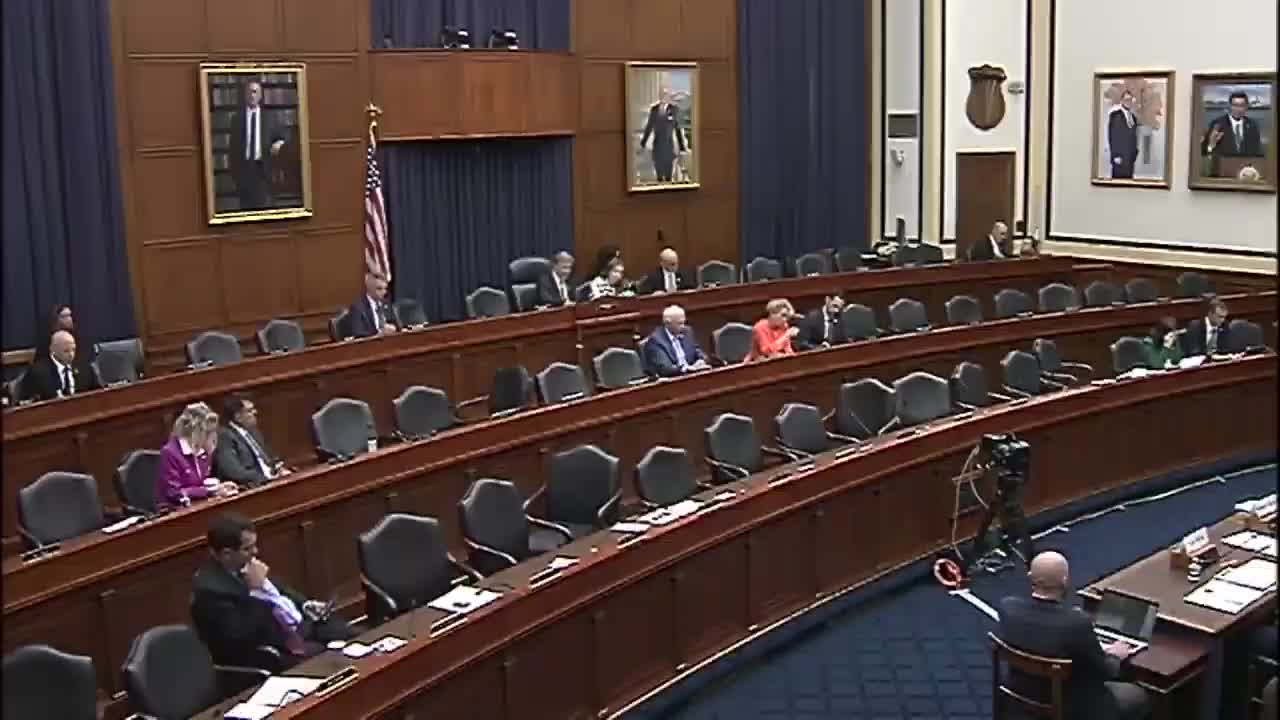
House members questioned senior Air Force leaders about acquisition workforce capacity, the transition pathways for commercial innovations, and contractual issues affecting the department's ability to repair and sustain systems.
Representative Mary Peltola and others raised concerns that recent descopes in vertical takeoff and landing (VTOL) efforts under AFWERX were driven by budget constraints and contracting shortfalls rather than contractor performance. General David Alvin said the service seeks transition partners and is reorganizing to accelerate integration of promising technologies into operational units.
Secretary Troy Mink stressed that the single most important element of acquisition success is a skilled, educated acquisition workforce with authorities to execute programs quickly, and he committed to focusing on training, incentives and civilian as well as uniformed acquisition personnel.
Members pressed on right-to-repair issues, saying opaque contract terms and proprietary technical restrictions have lengthened sustainment timelines and imposed costs. Mink said the department will work to ensure contracts going forward protect government repair rights and added that fixes will vary contract-by-contract; General Alvin associated with the secretary's remarks.
Committee leaders urged follow-up detail about workforce pipelines, transition protocols for AFWERX and Agility Prime programs, and specific contract language changes that would enable government sustainment and reduce long-term lifecycle costs.
Representative Mary Peltola and others raised concerns that recent descopes in vertical takeoff and landing (VTOL) efforts under AFWERX were driven by budget constraints and contracting shortfalls rather than contractor performance. General David Alvin said the service seeks transition partners and is reorganizing to accelerate integration of promising technologies into operational units.
Secretary Troy Mink stressed that the single most important element of acquisition success is a skilled, educated acquisition workforce with authorities to execute programs quickly, and he committed to focusing on training, incentives and civilian as well as uniformed acquisition personnel.
Members pressed on right-to-repair issues, saying opaque contract terms and proprietary technical restrictions have lengthened sustainment timelines and imposed costs. Mink said the department will work to ensure contracts going forward protect government repair rights and added that fixes will vary contract-by-contract; General Alvin associated with the secretary's remarks.
Committee leaders urged follow-up detail about workforce pipelines, transition protocols for AFWERX and Agility Prime programs, and specific contract language changes that would enable government sustainment and reduce long-term lifecycle costs.
Don't Miss a Word: See the Full Meeting!
Go beyond summaries. Unlock every video, transcript, and key insight with a Founder Membership.
✓
Get instant access to full meeting videos
✓
Search and clip any phrase from complete transcripts
✓
Receive AI-powered summaries & custom alerts
✓
Enjoy lifetime, unrestricted access to government data
30-day money-back guarantee
