Ukraine strikes spur lawmakers' concerns about U.S. base vulnerability to drones
Summary
Lawmakers pressed Air Force leaders on defense against small, inexpensive drones after Ukraine's recent attacks on Russian assets, asking what the United States is doing to protect bases, critical infrastructure and homeland assets from similar attacks and whether dispersal and counter-UAS plans are adequate.
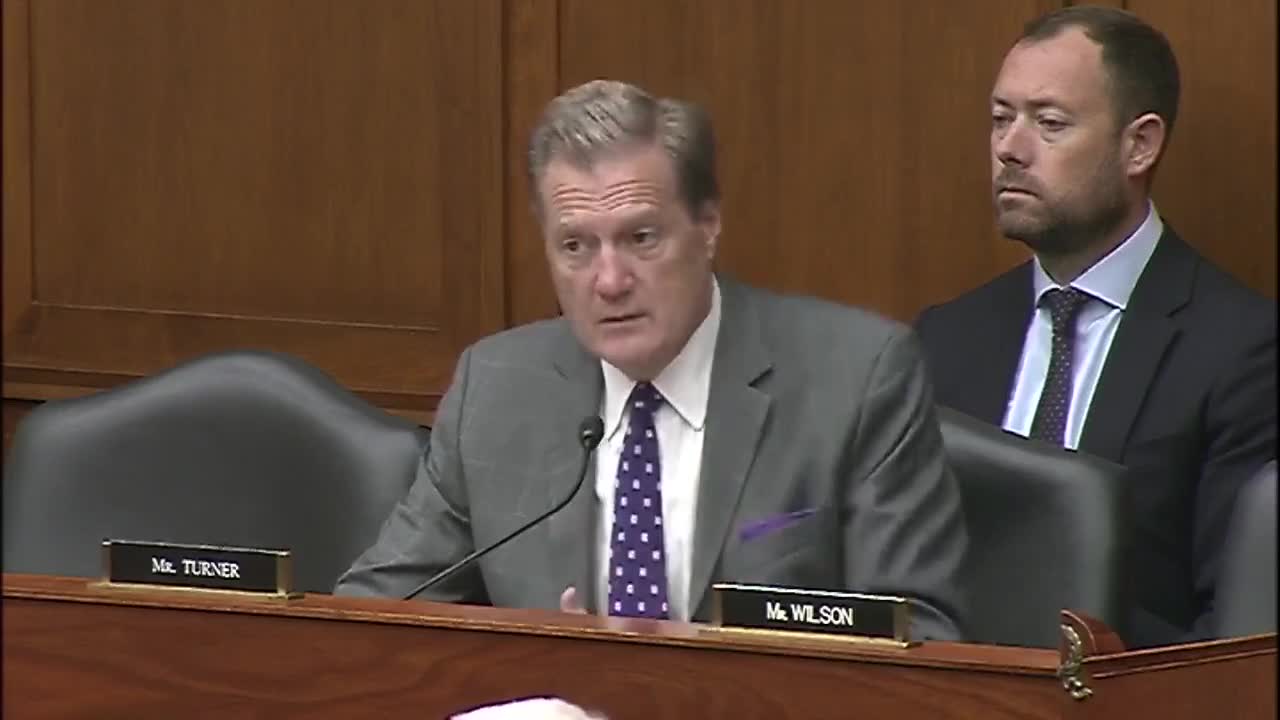
Members of the House Armed Services Committee told Air Force leaders that recent drone attacks in Ukraine show how small, cheap unmanned systems can inflict outsized damage and create vulnerabilities at U.S. bases and installations.
Representative Carson asked whether the Ukraine experience changes U.S. planning. Secretary Troy Mink said the threat has been on the department's radar for years and described counter-drone work that is underway, but he said defending U.S. bases will require a whole-of-government approach that brings in the FAA and local law enforcement to address operations inside domestic airspace.
General David Alvin said the services must take lessons from Ukraine while accounting for geographic and mission differences. He urged treating these threats as part of both defensive planning and potential offensive options, and said the Air Force is developing lower-cost, responsive capabilities to avoid being on the wrong side of the cost curve.
Members asked about dispersal of high-value assets, directed-energy investments, and whether the U.S. has sufficient redundancy if satellites or space-based systems are disrupted. Witnesses confirmed investments in directed energy and added that some space-enabled missions lack easy redundancy, reinforcing a need for layered defenses and resilient architectures.
Committee members also noted political and operational limits to defending domestic bases and emphasized the need to clarify legal authorities and interagency coordination to enable counter-UAS defenses in homeland settings.