
Lawmakers, Air Force spar over "Golden Dome" missile defense risks and costs
Get AI-powered insights, summaries, and transcripts
Subscribe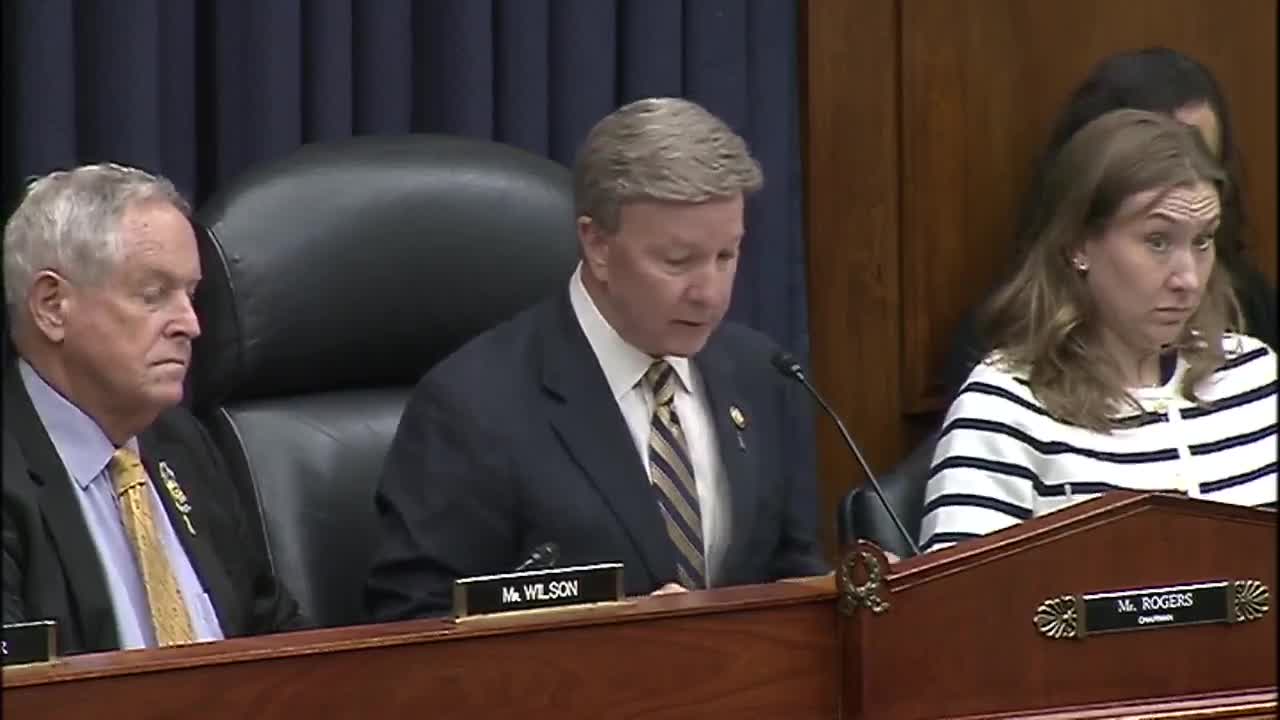
Summary
Members of the House Armed Services Committee questioned Air Force and Space Force leaders about the administration's "Golden Dome" missile defense concept, including cost, technical feasibility and potential effects on strategic stability with Russia and China.
House members pressed department witnesses on the Golden Dome missile defense concept during a fiscal 2026 budget hearing, focusing on cost, feasibility and potential effects on nuclear stability.
Several lawmakers warned that an ambitious, layered missile-defense architecture could be destabilizing if it led adversaries to believe U.S. strategic forces were effectively shielded. One member quoted a Congressional Budget Office estimate that the program could cost roughly $500 billion and asked whether the administration had a strategy for how adversaries might respond.
Secretary Troy Mink said the department believes many Golden Dome elements — domain awareness, layered sensors and missile defenses — consist of capabilities that will have broad applicability beyond a single program. He called for a renewed national conversation about strategic deterrence “now, like we did in the Cold War” to understand risks when multiple nuclear competitors exist.
General David Alvin and other witnesses said the department is taking the concerns seriously and is working to ensure investments both protect the homeland and preserve strategic stability. Witnesses declined to provide technical specifics in open session but emphasized that the program is still at a conceptual stage and would require sustained funding beyond one-time reconciliation monies to mature.
Committee members asked whether Golden Dome could simply spark an arms race if adversaries pursued countermeasures such as hypersonics. Witnesses agreed adversaries are already developing ways to complicate missile defenses, and stressed a layered, multi-domain approach would be needed to address those threats.