Indiana law gives HOA homeowners a detailed path to request rooftop solar, attorney says
Loading...
Summary
An attorney explained the 2022 Indiana law that creates a step-by-step process for homeowners in homeowner associations to seek approval for rooftop solar, emphasizing documentation and high neighbor-approval thresholds.
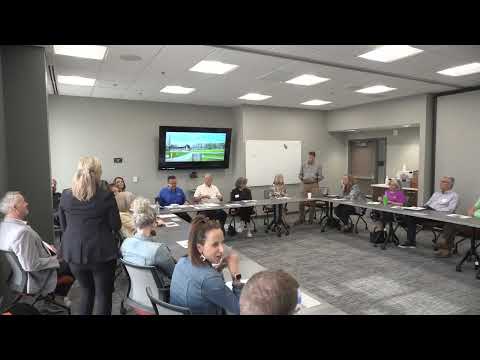
An Indiana law passed in 2022 gives homeowners in associations a defined path to request rooftop solar but does not automatically override association covenants, attorney Kelly Elmore said at a Carmel neighborhood association meeting.
The law matters because it balances homeowners’ interest in solar with associations’ existing rules: it requires owners to submit detailed plans and then gather the same percentage of neighbor approvals needed to amend a community’s governing documents, Elmore said.
Elmore, principal at the law firm PSN Law, told attendees the statute targets association provisions that outright prohibit solar and creates a compliance process rather than an unrestricted right. “The law was originally passed in 2022,” Elmore said. “It does not automatically state that any owner…can come in and place solar panels on their homes. It provides a path that if an owner follows certain steps and is in compliance with the act then the owner may be entitled to put solar panels on their home.”
She described the information an owner must prepare: system plans and specifications, the vendor performing the work, property boundaries, a description of the unit, and color and visibility details. After compiling that packet, the owner must obtain signatures from neighbors at the same approval percentage required for declaration amendments (Elmore noted many associations require 67% or 75%). Elmore said that, in practice, only a small number of owners statewide had completed the full process since the law’s enactment.
Elmore recommended associations consult their association counsel when a solar request arrives to verify the packet and signatures meet statute requirements and to confirm whether governing documents already contain responsive language. She warned that homeowners and boards are frequently tripped up early in the process by incomplete submissions.
For association leaders unsure how the law applies to their governing documents, Elmore advised contacting legal counsel to confirm next steps and compliance checks. “Once that's done, then your association counsel can assist your association with verifying signatures, verifying that in fact the requisite approval was completed,” she said.
The presentation covered only the pathway established in the 2022 statute and did not address unrelated energy programs or utility interconnection rules.
Community members asked clarifying questions following Elmore’s remarks; Elmore offered to share additional materials and directed attendees to consult counsel for neighborhood-specific steps.