Get Full Government Meeting Transcripts, Videos, & Alerts Forever!
Get email alerts on the Property Tax Consideration topic
No spam. Unsubscribe anytime.
Council debates conditions for any future property‑tax increase; members ask for inventory of services, deferred‑maintenance data and analysis of preemptions
Summary
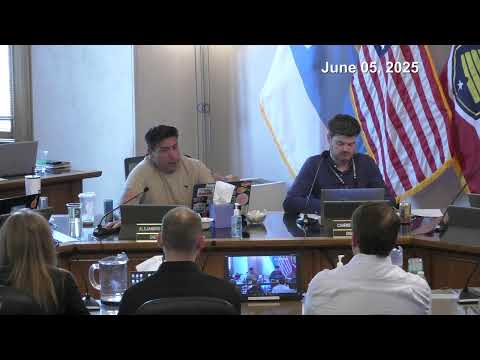
Salt Lake City council members debated a proposed legislative intent on June 5 that would require administration reports and analysis should a future mayoral budget propose a property‑tax increase.
Salt Lake City council members debated a proposed legislative intent on June 5 that would require administration reports and analysis should a future mayoral budget propose a property‑tax increase. Rather than adopting final language, the council directed staff to rework the draft and return it for review.
Why it came up: Council members said rising costs and the end of one‑time federal funding make transparency and a consistent rubric for tax increases important to protect residents on fixed incomes. Council member Petro framed the request as a means to ensure the city first pursues operational efficiencies and fully documents cost drivers before increasing tax burdens on residents: “What I’m not okay with is us asking for tax increases without examining and implementing as many efficiencies as possible,” she said.
Requested analysis: Members sought a compact, actionable report that would include (1) an inventory of core and noncore city services and programs, (2) an accounting of deferred maintenance and associated costs, (3) an analysis of state preemptions and how those decisions affect city revenue and obligation, and (4) a clear description of the structural factors driving any proposed increase (growth versus service shortfalls). Some members recommended adding a deadline or scheduling requirement so the material is available early in the budget process.
Debate and next steps: Several council members supported the principle but asked for crisper, less subjective language in the draft; others suggested the council could store the intent as a council‑facing policy or add the rubric to the council’s policy manual rather than a formal legislative intent. Council members agreed to work with staff and circulate redraft options by email for review; the item was tabled pending edits.
What was not decided: No final motion or vote was taken. Council staff and members will circulate proposed wording revisions and may incorporate a requirement for staff to present a single inventory and supporting materials to inform any future proposal that includes a property‑tax increase.