Sustainability department proposes 10% waste‑service fee increase in FY26 budget; environment and energy division eyed for general‑fund shift
Loading...
Summary
Salt Lake City’s Sustainability Department proposed a $29.36 million FY26 budget that includes a 10% increase to curbside waste and recycling fees as part of a multi‑year plan to restore fee parity with inflation; officials said the Environment & Energy division will likely move to general‑fund support in FY27.
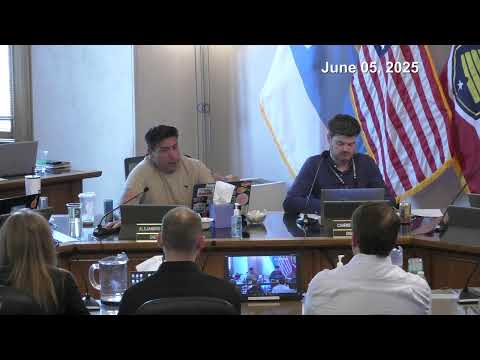
Salt Lake City’s Sustainability Department presented a FY26 budget package June 5 that asks the council to approve operating spending of $29.36 million and includes a proposed 10% increase in residential waste and recycling service fees.
The department projects the Waste and Recycling Division — which provides weekly curbside garbage, recycling and yard‑waste service to roughly 43,000 residential accounts — will still rely on fund balance to cover a portion of operating costs in FY26 while pursuing a multi‑year plan to align fees with inflation. “After keeping fees flat from fiscal 15 through ’21, we began this catch up process in fiscal 22 with your support,” Waste and Recycling Director Chris Bell said.
Fee details and mitigation options: Under the proposal, a household on the common 90‑gallon service would see a $3.32 monthly increase, or $39.84 annually. Bell noted many households can mitigate increases by subscribing to smaller containers or more fully using recycling and yard‑waste bins. “Most residents though, if they want, would be able to mitigate that cost increase by more fully utilizing their recycling and yard waste containers,” Bell told the council.
Environmental & Energy division funding: The department’s Environment & Energy (E&E) division — which manages air‑quality, energy and community sustainability programs and currently receives about $480,000 annually in landfill‑dividend revenue and a $1.17 million general‑fund transfer — is expected to transition to sustained general‑fund support in FY27, staff said. Deputy Director Sofia Nichols and director Debbie Lyons said E&E has used one‑time landfill dividends for several years but will need a clearer ongoing revenue base going forward.
Budget drivers and capital: The FY26 increase stems from inflationary pressures across personal services, fleet replacement and interdepartmental costs, staff said. The department does not propose additional FTEs in FY26. It also plans to contribute to a public‑utilities billing system upgrade and to pursue a scheduled fleet replacement program that uses financing for larger vehicle purchases.
Resilience and targets: The department’s five‑year forecast shows a target fund balance equal to about 18% of operating expenses (roughly two months of costs) for resiliency; staff said reaching equilibrium with the proposed increases would likely occur in FY28, after which the fund could begin to support capital projects.
Council questions and next steps: Council members asked for follow‑up on Title 2 ordinance language clarifying departmental functions, on EPA and state grant prospects, and on whether any capital purchases were deferred. Staff said core equipment purchases were not deferred but said longer‑range infrastructure needs (for example, aging refueling equipment) will be evaluated in future capital planning. Council members asked for outreach and clearer public messaging about projected rate changes over the next 2–3 years; staff indicated they expect another fee increase in FY27 (roughly similar magnitude, 10–12% as presented) and a return to CPI‑level increases by FY28.