Lifetime Citizen Portal Access — AI Briefings, Alerts & Unlimited Follows
State Department urges de-escalation after Trump-Putin call, reiterates U.S. position on North Korea and Iran talks
Loading...
Summary
The State Department said President Trump has urged de-escalation in the Russia-Ukraine conflict and pushed for direct talks; the department also expressed concern about North Korea's reported military involvement with Russia and said it has delivered a proposal to Iran through a special envoy.
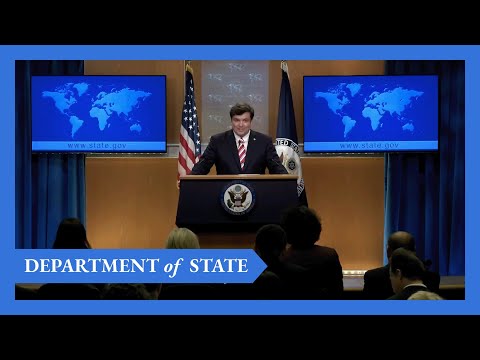
Principal Deputy Spokesperson Tommy Pigott said President Trump "wants to see de-escalation" after questions about a call between the president and Russian President Vladimir Putin, and that the administration is urging direct dialogue to "end the carnage and the bloodshed." When asked whether the United States had communicated red lines to Russia or would impose punitive measures such as sanctions, Pigott said he would not "speculate or get ahead of the president" but reiterated the president's stated objective of de-escalation.
On reports that North Korea agreed to provide troops to Russia, Pigott said third countries that help "perpetrate the Russia-Ukraine war" bear responsibility and that "North Korea's military deployment to Russia and any support provided by the Russian Federation to the DPRK in return must end." He expressed concern about North Korea's direct involvement in the conflict and said the department continues to monitor the situation.
Pigott also discussed Iran negotiations, saying a senior adviser and "special envoy Witkoff" sent a detailed proposal to Iran and that the U.S. encouraged Iran to accept it. "We've also been clear, again and again and again that the Iranian regime can never have a nuclear weapon," he said, and declined to negotiate details publicly. He added that the department expects to meet with Iranian officials again soon but provided no schedule.
On Iraq, when asked about published reports alleging militia groups extracted illicit funds via payment networks, Pigott said militia groups within Iraq "should report to the Iraqi government" and that he would take reporters' questions back for further detail.
Discussion versus action: The briefing reiterated U.S. policy priorities — de-escalation in Ukraine, nonproliferation vis-à-vis Iran, and support for Iraqi state authority over militias — but did not announce new measures from the department during the session.
Ending: Pigott said the administration will continue diplomatic engagement on these issues and that some answers requested by reporters would require internal follow-up rather than being released from the podium.