
Freeport board hears push for locked phone pouches after yearlong classroom ban shows enforcement strain
Get AI-powered insights, summaries, and transcripts
Subscribe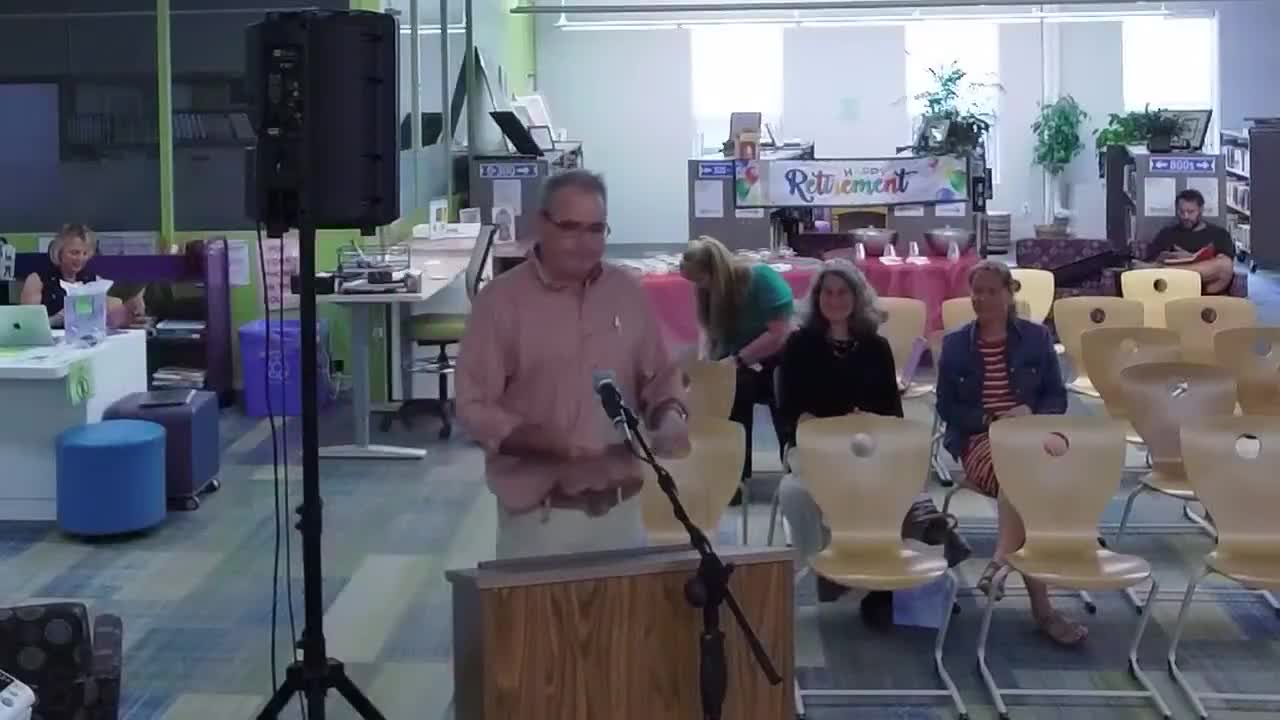
Summary
Freeport High School administrators told the RSU 5 board on June 4 that a yearlong classroom ban on phones has reduced use but enforcement has slipped; 77% of responding high‑school teachers favor locked pouches and officials outlined costs, implementation questions and next steps.
Freeport High School administrators and RSU 5 board members on June 4 discussed strengthening the district’s classroom cell‑phone policy after teachers reported increasing noncompliance this spring.
Charlie Mellon, assistant principal at Freeport High School, told the board the district began the school year with a classroom ban that required students to put phones in a classroom holder, usually a shoe rack, and leave them for the period. “At the beginning of the year, it was a little bit of an adjustment, but it was going pretty well,” Mellon said. He added that the practice began slipping over the winter, especially during advisory periods, and that enforcement is consuming teacher time.
The nut of the debate was whether the district should move to a locked‑pouch system — the principal alternative discussed — which would remove individual teachers from enforcement decisions. Mellon said his faculty had surveyed staff and that “77% of the teachers that responded to our form want to see a locked bag.” He said Morse High School’s principal described a similar system there as “revolutionary,” reporting improved classroom focus.
Why it matters: Board members framed the issue as both a teaching and an operational question. Proponents said a schoolwide, black‑and‑white rule could reduce classroom disruptions and free teachers to teach instead of policing phones. Opponents and cautious voices warned about cost, logistics and student buy‑in.
Details from the meeting
- Current approach: Mellon described the year‑long rule at the high school: students put phones in a holder at the start of class and may use devices between classes, at lunch and before/after school. Advisory periods and study halls were included in the no‑phone rule.
- Enforcement problems: Mellon said the policy was followed more closely earlier in the year but started breaking down this winter; teachers sometimes allowed phones as incentives or rewards, which created inconsistency and student confusion.
- Teacher support for locked pouches: Mellon said 77% of responding faculty favored locked pouches. He described those systems as costly but clearer to enforce.
- Cost estimates and examples: Board members discussed cost figures Mellon shared: an estimate “somewhere in the neighborhood of $15,000” for the high school and another district’s budget figure of about $50,000 when multiple buildings are included. Mellon said Morse High School’s principal had reported strong cultural change after implementing pouches.
- Student voice and education: Several board members and students said any policy should pair restrictions with education on digital citizenship. Student representative Phoebe told the board that student buy‑in is critical: “When students have the agency to make a change and they feel like they are doing it themselves...you’re going to see a lot more success,” she said.
- Logistics and equity questions: Board members and staff raised practical questions about arrival times, students who need phones for after‑school transportation or work, exceptions for classes that use phones for instruction (for example, QR codes or photography), and whether office staff could handle increased logistics if pouches were implemented.
Next steps
Mellon said the high‑school leadership team will review phone policy during its June 18 and June 20 retreats and propose short‑term tweaks for next year. Several board members urged a district‑level process: proposals included an August retreat discussion, using the district’s strategic‑planning outreach this fall to gather parent and student feedback, and forming an ad hoc committee in the new school year to craft a district policy that pairs limits with education on digital citizenship. No formal policy change or purchase was approved at the meeting.
Board context and public comment
Board members said they want to avoid rushing a solution without stakeholder input but acknowledged the urgency of persistent classroom disruption. The discussion drew extended comments from multiple board members and staff; there was no formal vote or adoption of a new policy at the June 4 meeting.