Get Full Government Meeting Transcripts, Videos, & Alerts Forever!
Get email alerts on the Finance Audit topic
No spam. Unsubscribe anytime.
Edgar County accepts FY24 audit; auditors note retirement funding healthy, some cash-flow timing concerns
Summary
The board accepted the fiscal year 2024 audit performed by Wifley LLP, heard that IMRF retirement plans are largely fully funded (one plan about 97%), and discussed interim cash-flow shortfalls tied to state payments.
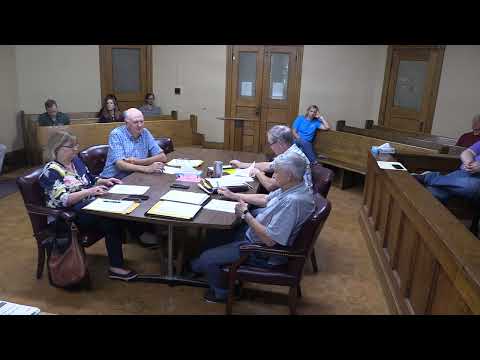
Edgar County board members accepted the county's fiscal year 2024 audit, performed by Wifley LLP, at their regular May meeting and heard a summary of key findings and local budget status.
The board approved a motion to accept the audit after staff noted Wifley LLP could not attend the meeting in person but would provide an audit letter and management letter to the board. The chair highlighted a key result: "The audit did show that, we are fully funded on our retirement plans. All of the IMRF plans are in good shape. There's the one plan that we don't have much in, is, I think, 97% funded," and added that the shortfall was small.
Why this matters: acceptance of the audit fulfills an annual governance requirement and the reported pension funding levels affect the county's long-term liabilities and credit posture. Board members also discussed current cash-flow irregularities: staff said the general fund balance appears high on paper because typical monthly state payments had not yet arrived, and some negative cash-flow lines will correct when those payments post.
Financial details from the meeting: staff estimated the audit cost at "about $47,000" and said the county had budgeted about $62,000 for audits/related items. One speaker summarized year-to-date expenditures and said current spending was "under budget." County staff reported a recurring negative of roughly $240 on a specific cash-flow line and reminded the board that an increased levy should offset some revenue shortfalls when property taxes are collected later in the year.
Discussion vs. decision: the audit acceptance was a formal action (motion, second, roll-call approval). Staff clarifications about timing of state payments and the need for an updated elected-official IMRF participation form were presented as discussion and follow-up tasks; no new fiscal policy was adopted at the meeting.
Next steps: staff will provide the final audit management letter and any requested documentation, update the IMRF participation authorization form, and post audit materials on the county website per the clerk's note.