Get Full Government Meeting Transcripts, Videos, & Alerts Forever!
Get email alerts on the Arts Culture topic
No spam. Unsubscribe anytime.
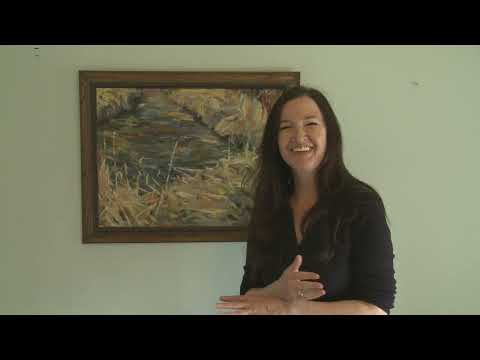
Artist Suzanne Schope describes plein air Rock Creek study and process
Summary
Artist Suzanne Schope presented a brief artist statement describing a plein air painting she began about two years ago at Rock Creek, the techniques she used during two outdoor sessions and how the study informs larger studio works.
Artist Suzanne Schope described a plein air painting she began about two years ago and completed in two outdoor sessions at Rock Creek, saying she used the study both as a standalone work and as source material for larger studio paintings. "This particular painting, I started about 2 years ago," Schope said, adding that she worked quickly outdoors with a portable easel to capture color, shape and the movement of nature.
Schope said she painted in "early spring, late winter" and that the work was meant to record passages she might later enlarge. "It's like how do I see this? Getting as much on as fast as possible," she said, describing the piece as both a finished work and a condensed study that supplies material for larger canvases. She noted a practical element to the study: she intended to "grab that and take it home," capturing impressions quickly to use later in the studio.
Discussing process and intent, Schope contrasted studio and plein air work, saying studio paintings put her in "a completely different mode" and can be "more abstract" while plein air studies bring a concentrated energy across the painting's surface. She described the act of painting outside as "joy" and said the practice functions as a form of meditation. During the presentation an unidentified commenter asked about the painting's title and looked at the back of the piece.