
Missoula lawmakers recap 2025 legislative session: bipartisan property tax package, Medicaid reauthorization and a new state trust fund
Get AI-powered insights, summaries, and transcripts
Subscribe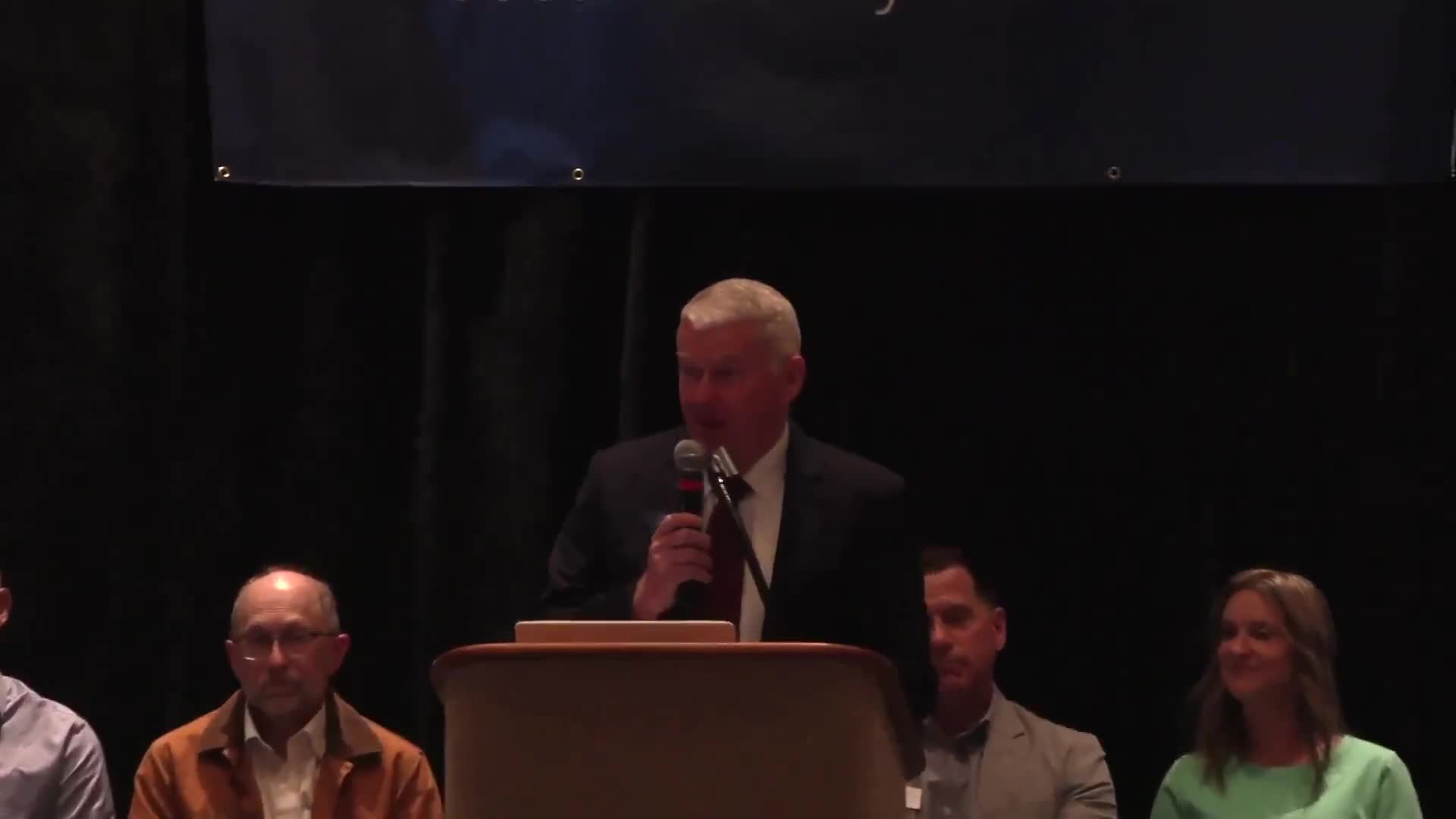
Summary
Missoula’s state lawmakers said the 2025 Montana Legislature produced a bipartisan property‑tax compromise expected to lower median local bills about 10% initially, extended Medicaid coverage, created a large trust fund for infrastructure and housing, and passed sector bills such as the Sawmill Revitalization Act and Media Act.
State legislators who spoke at the State of Missoula forum summarized key outcomes of the 2025 Montana Legislature and what they said those outcomes mean for Missoula residents.
“Ultimately, we have some significant reduction coming in local property tax,” said Rep. Mark Thain (House District 89), describing a last‑day bipartisan compromise that merged elements of competing proposals. Thain said House Bill 231 (the governor’s task force proposal) and House Bill 155 (the Democratic proposal) were reconciled through a bill‑amendment process and that Missoula property owners should expect about a 10% reduction on a median‑priced home in the first year, with a progressive schedule that directs larger relative reductions to lower‑value homes.
Thain also said the legislature placed up to $900,000,000 into a newly created Montana Growth and Opportunity Trust Fund from surplus revenue and that the session extended Medicaid (referred to as reauthorization during the event). He cited a roughly $700,000,000 reduction in state income tax collections over the biennium as part of enacted measures and noted a need to monitor balance if future downturns occur.
“It's been a collaborative session,” Thain said, highlighting bipartisan work on property tax, Medicaid continuation and bills to support workforce and rural industries. He also noted passage of a Sawmill Revitalization Act and a Media Act that extended a film tax credit, both of which speakers said will help bring projects such as the Storyhouse film campus to Missoula.
Sen. Denley Logie (Senate District 45) echoed the education and technical‑training focus, praised bipartisan efforts on infrastructure and workforce training, and urged continued support for technical education and teacher retention measures enacted during the session.
Both lawmakers cautioned that some details remain subject to implementation choices by local governments and that the governor had issued vetoes on some bills that could alter outcomes. They encouraged residents to follow up with local officials for exact tax‑bill impacts and implementation timelines.