University of Montana cites record enrollment growth and warns federal cuts could threaten research and workforce pipelines
Loading...
Summary
University of Montana President Seth Bodnar reported large enrollment and graduation-rate gains and higher research output, while warning that recent federal budget moves and proposed executive cuts could harm student access, research funding and local economic growth.
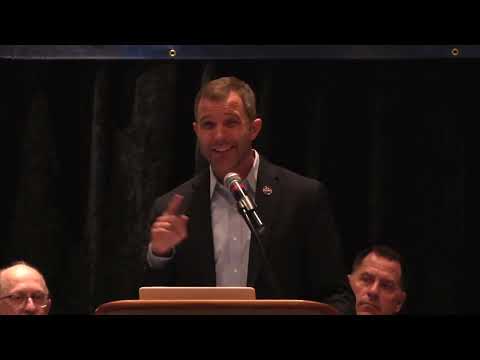
University of Montana President Seth Bodnar told attendees at the Missoula Area Chamber of Commerce’s State of Missoula event that the university has posted significant enrollment and graduation gains but faces risks from recent federal budget actions.
“Last fall, we posted the largest year-over-year enrollment gains in 15 years,” President Seth Bodnar said, noting the university has added more than 1,300 students since the pandemic and that the freshman class is 47% larger than it was previously. He said the four‑year graduation rate has increased by a third over six years and is the highest since the university began tracking it.
Bodnar said the university’s research enterprise also grew, reporting $144,000,000 in research output last year — an increase of about 43% over the past decade — and argued that research drives local job creation and entrepreneurship.
The nut of Bodnar’s warning was federal funding uncertainty. “The reconciliation bill that just passed the House last week … is the most destructive action against public education that the federal government’s taken in decades,” he said, and added that paired cuts in the proposed executive budget would reduce access to financial aid, workforce training and research funding.
Bodnar framed those federal changes as a risk to Missoula’s economy: fewer students, fewer training programs and less research could reduce the pool of skilled workers for local employers. He cited the university’s workforce partnerships, including Accelerate Montana, as a countermeasure: the program has served more than 3,500 people and, according to Bodnar, reported job placement for more than 90% of participants when employers were engaged.
Bodnar stressed the university’s mission of “inclusive prosperity,” saying the school is expanding applied degree programs such as physician assistant and occupational therapy degrees to meet rural health needs and launching programs like cybersecurity and interactive media to match employer demand.
He closed by asking local leaders to advocate for continued public investment in higher education, stressing that the university’s success matters to Missoula’s businesses and long‑term economic vitality.
The presentation was part of a broader State of Missoula forum that included city, county and state officials.