Get Full Government Meeting Transcripts, Videos, & Alerts Forever!
Get email alerts on the Public Restrooms Transit Infrastructure topic
No spam. Unsubscribe anytime.
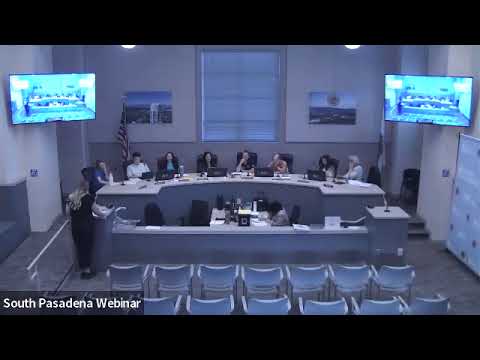
South Pasadena commission questions Metro-funded smart restroom planned for Heritage Park
Summary
City staff briefed the Community Services Commission on a Metro-funded “Throne Labs” smart restroom approved May 7 by the City Council for Heritage Park; commissioners asked for more community input, placement alternatives, and written site plans before installation.
South Pasadena officials discussed a Metro-funded “Throne Labs” smart restroom planned for Heritage Park on Monday, with staff saying installation is tentatively targeted for July 2025 and Metro will cover delivery, installation and operation through at least mid‑ to late‑2028.
The unit, presented to the commission by Community Services Deputy Director Melissa Snyder, is solar‑powered, touchless and app‑accessed. Snyder said Metro is funding the facility as part of a regional effort ahead of the 2026 FIFA World Cup and the 2028 Olympics and Paralympics and that operating costs to the city after Metro’s partnership could range from $4,250 to $9,000 per month depending on service levels.
Commissioners raised concerns about how the installation reached City Council without prior commission review, how the unit’s location would interact with Metro security camera coverage and daily maintenance truck access, and whether the restroom would primarily serve commuters, farmers market patrons or people living unsheltered near the station. Commissioner Lai said she was surprised the item “had not come before the commission for discussion,” and questioned whether the facility would “mainly serve the unhoused that are getting off the train.” Commissioner Weinberger asked what success criteria Metro would use; Snyder said Metro collects usage data through the app and offers user ratings and maintenance requests.
Staff said Metro must place the unit where it is within range of Metro security cameras, accessible to the cleaning truck and out of heavy tree canopy because the restroom is solar powered. Snyder said staff will develop a site plan for council approval and return alternatives to Metro for consideration. Commissioners asked staff to provide the commission an awareness email when department items are scheduled for council so commissioners can provide public comment if desired.
There was no vote by the commission on the installation. Commissioners discussed asking the city manager for guidance on when staff presentations to council should be routed to the commission for advisory input. Snyder said Metro is responsible for removal and that the city may remove the unit at any time if it becomes an eyesore or nuisance. No removal cost or removal‑timing commitments from Metro were provided at the meeting.
Commissioners also requested a post‑installation review (suggested for fall 2025) so the commission can evaluate how the unit is being used and whether it meets community expectations.